AI cultural analysis
A short read on tone, themes, and messaging — not a plot synopsis.
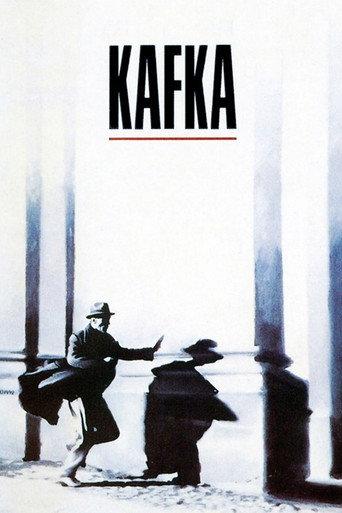
Kafka (1991) crafts a moody, atmospheric narrative that draws on Kafkaesque themes of paranoia and secret control without succumbing to heavy-handed ideological framing. The dialogue occasionally dips into cryptic or thematic territory, but it primarily supports the unfolding mystery rather than serving as a vehicle for overt messaging.
Characters are developed with narrative purpose, avoiding tokenistic or symbolic traps, which helps maintain immersion in the story's conspiracy thriller framework. While the protagonist displays some moments of unusual insight that could feel slightly unearned, the film generally grounds his competence within the story's logic and maintains stakes through genuine threats and consequences.