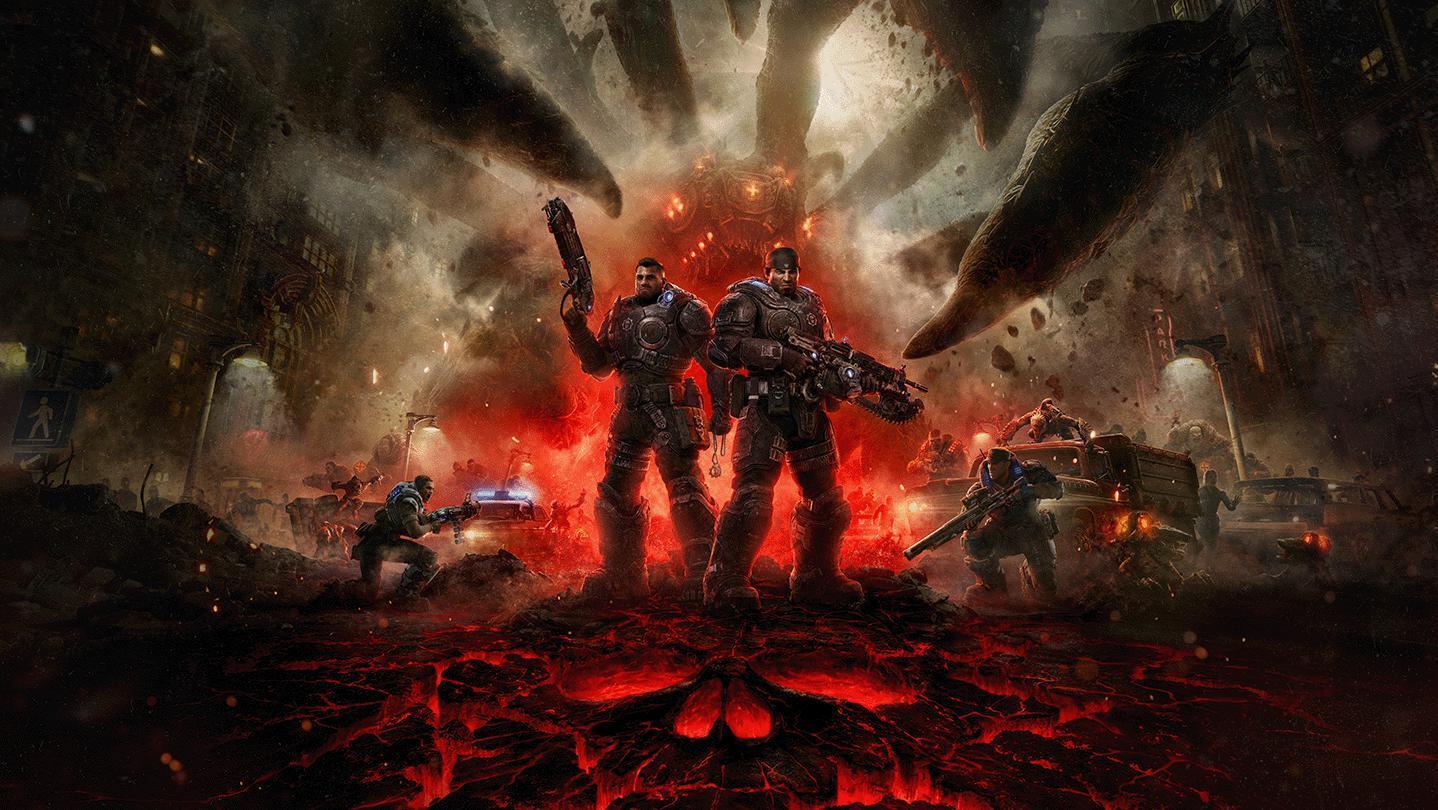
Gears of War: E-Day poster
Game

Gears of War: E-Day

2026

Platforms: Xbox Series S/X, PCGenres: Action, Adventure

28Score
Very Little Woke

Mostly focused on storytelling.

My list →Saved on this device — no account required.
Share this verdict card

Game metadata from RAWG.

Is Gears of War: E-Day Woke? Quick Answer

Gears of War: E-Day scores 28/100 on the IsItWoke scale and falls into Very Little Woke.

Messaging can show up, but it is not the main event in this game.

Dialogue and character interactions largely serve the established Gears of War narrative with minimal overt ideological messaging, resulting in low message-first dialogue. Characterization is somewhat tokenistic, as the prequel adds iconography and origin beats without meaningful development, making characters feel more like franchise staples than fully fleshed individuals.

See the full breakdown below.

Signal profile

What is driving this verdict

Story impact

Passive-consumption design: High

These are structured scoring signals, not standalone factual claims. Read them together with the source-backed receipts and full analysis below.

Woke profile

How the score is shaped

Eight stored dimensions, each scored from 0 to 20.

  • Message-first dialogue

    2/20
  • Tokenistic characters

    8/20
  • Ideology over story

    3/20
  • Legacy rewriting

    1/20
  • Modern politics injection

    1/20
  • Protected protagonist pattern

    3/20
  • Anti-traditional framing

    0/20
  • Cultural normalization framing

    0/20

Receipts used in this verdict

Medium confidence

These source-linked claims were gathered before scoring. Supporting evidence can raise a relevant signal; counterevidence can reduce or contextualize it. Corporate statements, consultant credits and optional identity cosmetics are context for investigation. They do not establish narrative ideology or directly raise the score.

Reveal detailed receipts · may contain spoilers

The verdict above is spoiler-light. The concrete examples below can describe scenes, plot turns, character outcomes, or late-game material.

  • Passive-consumption designsupporting

    The game uses intrusive on-screen prompts and map markers-PC Gamer criticizes all-caps text 'HARD CASE NEARBY', automatic map additions and an 'Eagle Vision' style reveal that shows exact item locations, describing it as 'terrible' hand-holding and 'screaming text'. [1]

  • Tokenistic character writingsupporting

    PC Gamer argues the prequel fails to justify itself by offering little new to characterisation-noting Marcus 'is… a cynical, traumatised, seen-it-all-before' and that origin beats add iconography but not meaningful development. [1]

  • Franchise identity replacementcounter

    Xbox Wire presents E-Day as 'rebuilding brotherhood' and as renewing the franchise's foundations, framing the title as a return-to-origins entry rather than a replacement of the series' established themes. [2]

  • Legacy rewritingcounter

    PC Gamer notes the prequel largely reaffirms established continuity (it covers Emergence Day material from the original opening) and criticises the title for not substantially changing or reinterpreting Marcus' established character, implying no major ideological retcon is presented. [1]

Research checked 2026-10-12

AI vs Community

AI says Very Little Woke. Users say Very Woke. Who is right?

AI: Very Little Woke · Community: Very Woke · 19 votes · 48-point disagreement.

Community verdict

Pick the band you think fits. One vote per browser on this title. You cannot change it after you vote.

Loading community votes…

Why users rated it this way

Community voters most often cited the following (optional tags they chose after voting). This reflects perceptions, not facts.

  • Forced diversity / representation29% · 11
  • Forced strong female lead29% · 11
  • Identity over story13% · 5
  • Political messaging11% · 4

Why it received this score

Based on: Published title analysisConfidence: MediumLast updated: 2026-10-12

Key reasons

  • Dialogue and character interactions largely serve the established Gears of War narrative with minimal overt ideological messaging, resulting in low message-first dialogue.
  • Characterization is somewhat tokenistic, as the prequel adds iconography and origin beats without meaningful development, making characters feel more like franchise staples than fully fleshed individuals.
  • The story prioritizes action and franchise continuity over ideological framing, with only minor social commentary or messaging elements present.
View full breakdown
  • Legacy rewriting is minimal, as the game reaffirms established continuity and does not substantially reinterpret or replace core franchise themes or character arcs.
  • The game employs intrusive hand-holding design such as on-screen prompts and map markers that detract from player agency and immersion, signaling passive consumption design.

Score signals

SignalWhat was measuredStrengthImpact
Tokenistic charactersHow much characters feel inserted or shaped primarily for symbolic representation, political signaling, or demographic checkbox value rather than narrative depth, organic fit, or strong characterization.8/20+5
Ideology over storyHow much the overall storytelling prioritizes ideological framing, message delivery, social commentary, or activism-coded narrative choices over pacing, conflict, immersion, and entertainment.3/20+2
Protected protagonist patternHow much the protagonist fits the protected-protagonist pattern (agenda-driven character construction) rather than competence fantasy. Score HIGH only when: competence appears unearned or unexplained; protagonist rarely faces consequences; antagonists exist mainly to demonstrate protagonist superiority; narrative treats protagonist as symbolically superior; plot shields protagonist from vulnerability. Score LOW when: competence is grounded in training, profession, or past experience; protagonist suffers damage or setbacks; real physical danger and survival tension exist (normal action storytelling). Do not penalize competence fantasy.3/20+2
Message-first dialogueHow much the dialogue, monologues, or character interactions feel driven by overt messaging, moral lecturing, ideological framing, or making a point instead of serving the story naturally.2/20+1
Legacy rewritingHow much an existing franchise, adaptation, setting, or known property appears significantly altered, reinterpreted, or re-centered in ways that feel driven by modern ideological priorities rather than faithful or organic storytelling.1/20+1

AI cultural analysis

A short read on tone, themes, and messaging — not a plot synopsis.

AI read

Gears of War: E-Day functions primarily as a franchise prequel that leans heavily on established lore and character archetypes without pushing ideological agendas or modern political discourse. The narrative focuses on the origins of the Locust conflict and the return of familiar war heroes, maintaining continuity rather than rewriting or reframing the story through a woke lens.

While the characters, especially Marcus Fenix, are portrayed with some depth, their development is limited and largely serves to reinforce existing franchise identity rather than explore new thematic territory. The game’s intrusive user interface elements, such as constant on-screen prompts and map markers, contribute to a passive consumption experience that may frustrate players seeking organic exploration or challenge.

Related titles

More like this.

People also checked

What others ran after this one.

Run Gears of War: E-Day through another test

Explore

Trending now

Send feedback

We send your description, report type, optional email and the current page path. No browsing history or session transcript is included.