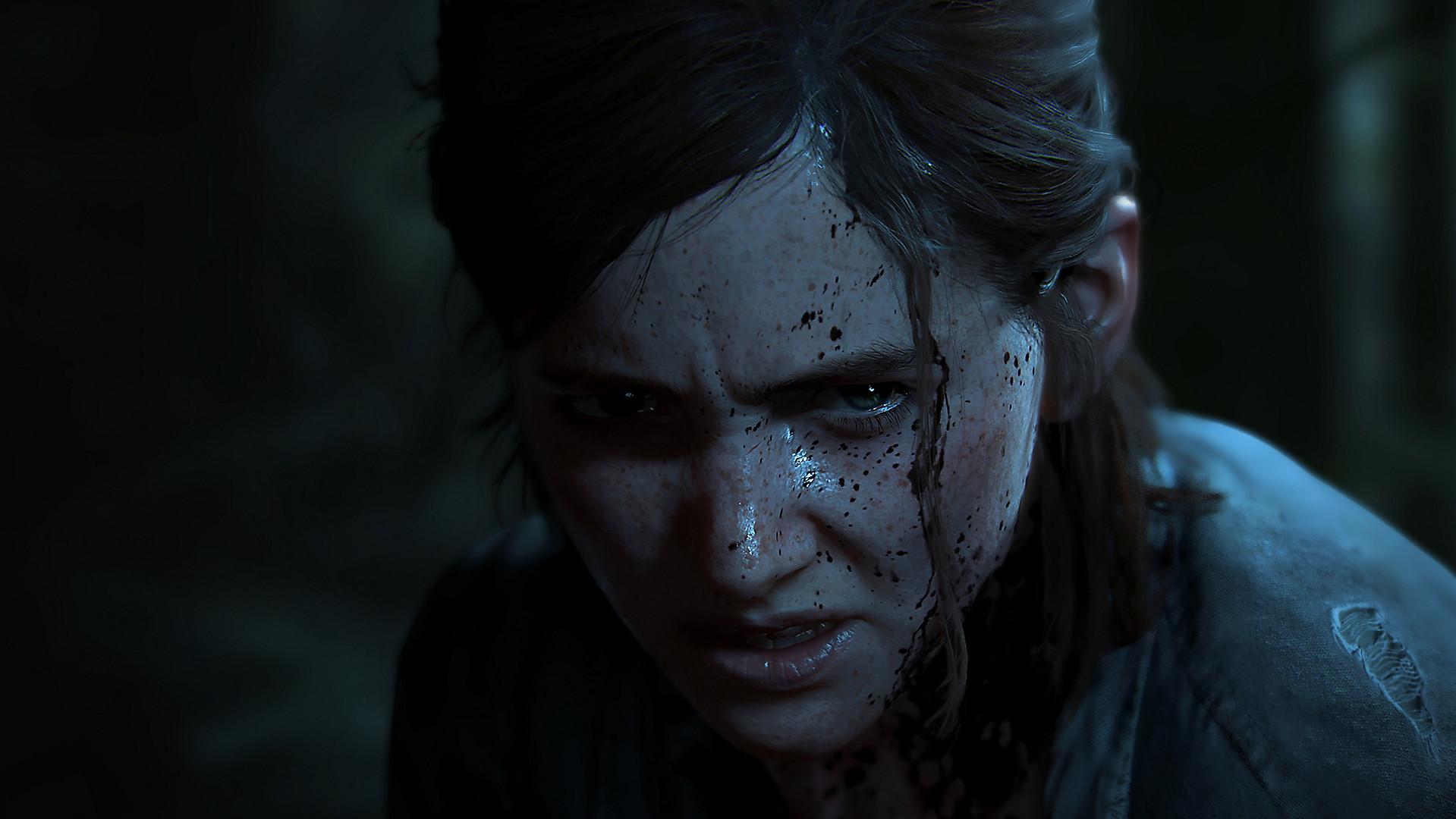
The Last of Us Part II poster
Game

The Last of Us Part II

2020

AI and users disagree

Platforms: PlayStation 4, PlayStation 5Genres: Action, Shooter, Adventure

71Score
Very Woke

Ideology starts steering the story.

My list →Saved on this device — no account required.
Share this verdict card

Game metadata from RAWG.

Is The Last of Us Part II Woke? Quick Answer

The Last of Us Part II scores 71/100 on the IsItWoke scale and falls into Very Woke.

Ideology starts steering this game more often than a story-first title would.

Dialogue often feels like it serves an ideological agenda rather than character development. Characters are sometimes shaped more by their symbolic roles than by organic narrative needs.

See the full breakdown below.

Signal profile

What is driving this verdict

Messaging

Political messaging: High

Narrative focus

Representation foregrounded: High

These are structured scoring signals, not standalone factual claims. Read them together with the source-backed receipts and full analysis below.

Woke profile

How the score is shaped

Eight stored dimensions, each scored from 0 to 20.

  • Message-first dialogue

    15/20
  • Tokenistic characters

    12/20
  • Ideology over story

    14/20
  • Legacy rewriting

    10/20
  • Modern politics injection

    13/20
  • Protected protagonist pattern

    10/20
  • Anti-traditional framing

    8/20
  • Cultural normalization framing

    6/20

AI vs Community

AI says Very Woke. Users say Slightly Woke. Who is right?

AI: Very Woke · Community: Slightly Woke · 217 votes · 19-point disagreement.

Community verdict

Pick the band you think fits. One vote per browser on this title. You cannot change it after you vote.

Loading community votes…

Why users rated it this way

Community voters most often cited the following (optional tags they chose after voting). This reflects perceptions, not facts.

  • Forced strong female lead24% · 47
  • Forced diversity / representation22% · 43
  • Identity over story17% · 33
  • Political messaging14% · 27

Why it received this score

Based on: Published title analysisConfidence: HighLast updated: 2026-05-29

Key reasons

  • Dialogue often feels like it serves an ideological agenda rather than character development.
  • Characters are sometimes shaped more by their symbolic roles than by organic narrative needs.
  • The story prioritizes themes of revenge and hate, often at the expense of pacing and immersion.
View full breakdown
  • The game alters established character dynamics from the original, reflecting modern ideological priorities.
  • Contemporary political themes are woven into the narrative, which can disrupt the escapist experience.

Score signals

SignalWhat was measuredStrengthImpact
Message-first dialogueHow much the dialogue, monologues, or character interactions feel driven by overt messaging, moral lecturing, ideological framing, or making a point instead of serving the story naturally.15/20+10
Ideology over storyHow much the overall storytelling prioritizes ideological framing, message delivery, social commentary, or activism-coded narrative choices over pacing, conflict, immersion, and entertainment.14/20+10
Modern politics injectionHow much contemporary political discourse, activist framing, or modern culture-war signaling appears injected into fantasy, sci-fi, historical, or otherwise escapist settings in a way that feels noticeable or immersion-breaking.13/20+8
Tokenistic charactersHow much characters feel inserted or shaped primarily for symbolic representation, political signaling, or demographic checkbox value rather than narrative depth, organic fit, or strong characterization.12/20+7
Legacy rewritingHow much an existing franchise, adaptation, setting, or known property appears significantly altered, reinterpreted, or re-centered in ways that feel driven by modern ideological priorities rather than faithful or organic storytelling.10/20+6

AI cultural analysis

A short read on tone, themes, and messaging — not a plot synopsis.

AI read

The Last of Us Part II is a game that leans heavily into message-first storytelling, with dialogue frequently feeling like it serves a moral or ideological agenda rather than advancing character arcs or plot. Characters, while complex, often feel constructed to fulfill certain symbolic roles, which detracts from their depth and relatability.

The narrative prioritizes themes of revenge and the consequences of hate, but this focus can lead to pacing issues and a sense that story is secondary to thematic exploration. The game also revisits established character dynamics from its predecessor, but these alterations often reflect modern ideological priorities rather than organic storytelling choices.
Related titles

More like this.

People also checked

What others ran after this one.

Run The Last of Us Part II through another test

Explore

Trending now

Send feedback

We send your description, report type, optional email and the current page path. No browsing history or session transcript is included.