Pick the band you think fits. One vote per browser on this title. You cannot change it after you vote.
Loading community votes…
Why users rated it this way
Community voters most often cited the following (optional tags they chose after voting). This reflects perceptions, not facts.
Forced diversity / representation25% · 4
Modern agenda in established franchise19% · 3
Political messaging19% · 3
Forced strong female lead13% · 2
Woke Breakdown
Message-first dialogue
4
Tokenistic characters
3
Ideology over story
5
Legacy rewriting
2
Modern politics injection
3
Protected protagonist pattern
4
Anti-traditional framing
2
Cultural normalization framing
3
Quick reasons
Dialogue serves the story, with only occasional messaging.
Characters are well-developed, though some may feel like they fit a modern archetype.
The narrative is primarily driven by player choice and character development.
While there are modern themes, they don't overwhelm the core fantasy elements.
The game respects its legacy while introducing new elements organically.
AI cultural analysis
Here's the read.
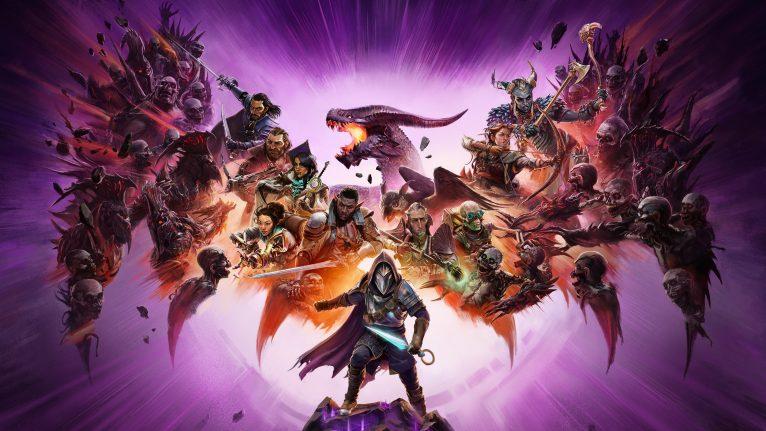
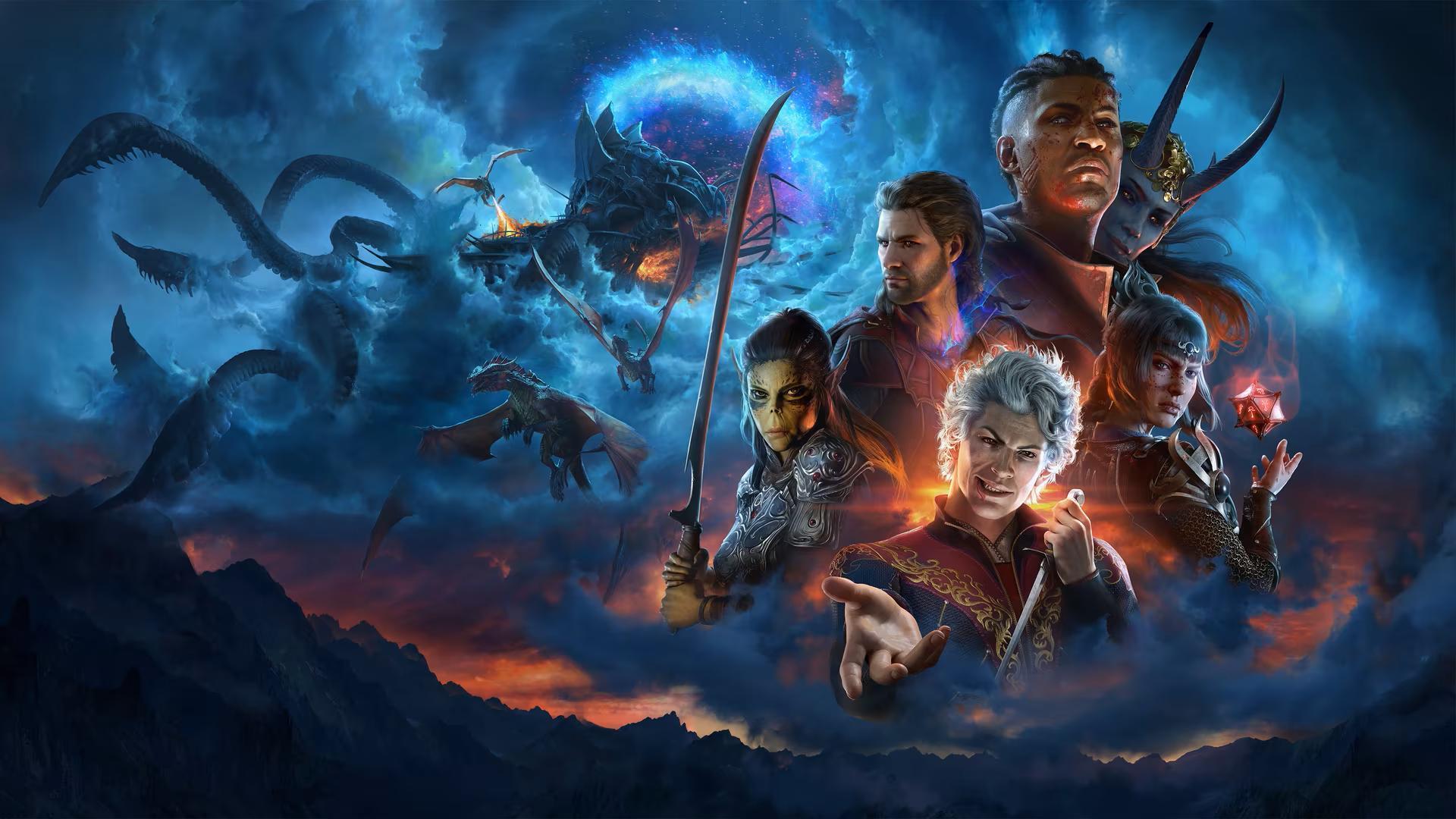
Baldur's Gate III excels in crafting a rich narrative that prioritizes player choice and character development over overt messaging. The dialogue feels organic, with only minor instances of ideological framing. Characters are fleshed out and engaging, avoiding the pitfalls of tokenism, though a few may lean into contemporary archetypes. The game respects its legacy, successfully integrating modern elements without rewriting established lore. While it touches on themes relevant to today's audience, these do not overshadow the immersive fantasy experience. The protagonist's journey is grounded in personal stakes and player agency, ensuring that the narrative remains compelling and entertaining. Overall, the game strikes a balance between modern storytelling and traditional RPG elements, making it a noteworthy entry in the genre.