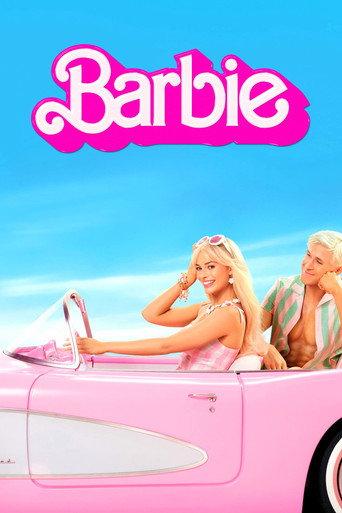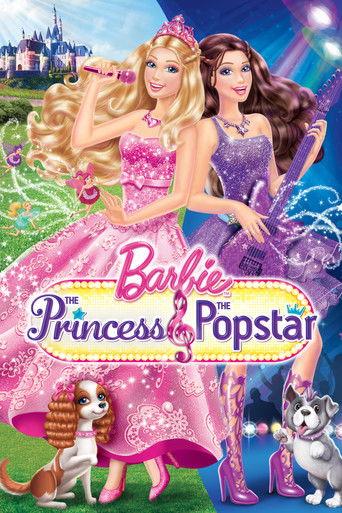
Barbie: The Princess & the Popstar poster
Movie

Barbie: The Princess & the Popstar

2012

20Score
Absolute Cinema

Story over sermons. Cinema first.

My list →Saved on this device — no account required.
Share this verdict card

Is Barbie: The Princess & the Popstar Woke? Quick Answer

Barbie: The Princess & the Popstar scores 20/100 on the IsItWoke scale and is rated Absolute Cinema.

That is the story-first end of the scale for this film.

The dialogue occasionally leans on moral lessons about being true to oneself but remains mostly natural and story-driven. Characters are primarily defined by their roles as princess and popstar, which fits the narrative rather than feeling tokenistic or forced.

See the full breakdown below.

Woke profile

How the score is shaped

Eight stored dimensions, each scored from 0 to 20.

  • Message-first dialogue

    3/20
  • Tokenistic characters

    2/20
  • Ideology over story

    2/20
  • Legacy rewriting

    0/20
  • Modern politics injection

    0/20
  • Protected protagonist pattern

    3/20
  • Anti-traditional framing

    1/20
  • Cultural normalization framing

    4/20

AI vs Community

AI says Absolute Cinema. What do users say?

AI verdict: Absolute Cinema. Be among the first to challenge it.

Community verdict

Pick the band you think fits. One vote per browser on this title. You cannot change it after you vote.

Loading community votes…

Why it received this score

Based on: Published title analysisConfidence: MediumLast updated: 2026-10-12

Key reasons

  • The dialogue occasionally leans on moral lessons about being true to oneself but remains mostly natural and story-driven.
  • Characters are primarily defined by their roles as princess and popstar, which fits the narrative rather than feeling tokenistic or forced.
  • The story focuses on a classic identity-swap trope with light thematic framing rather than overt ideological messaging.
View full breakdown
  • There is no evidence of rewriting or ideological reframing of the Barbie franchise; the film stays within its established universe.
  • The film lightly normalizes traditional roles like princess and popstar but does so in a way that supports the story's theme of self-acceptance.

Score signals

SignalWhat was measuredStrengthImpact
Message-first dialogueHow much the dialogue, monologues, or character interactions feel driven by overt messaging, moral lecturing, ideological framing, or making a point instead of serving the story naturally.3/20+2
Protected protagonist patternHow much the protagonist fits the protected-protagonist pattern (agenda-driven character construction) rather than competence fantasy. Score HIGH only when: competence appears unearned or unexplained; protagonist rarely faces consequences; antagonists exist mainly to demonstrate protagonist superiority; narrative treats protagonist as symbolically superior; plot shields protagonist from vulnerability. Score LOW when: competence is grounded in training, profession, or past experience; protagonist suffers damage or setbacks; real physical danger and survival tension exist (normal action storytelling). Do not penalize competence fantasy.3/20+2
Cultural normalization framingHow much the title repeatedly frames a specific social model, identity/sexuality framing, lifestyle, family structure, or set of values as culturally meaningful, normalizing, morally instructive, or aspirational. Increase score when the work itself is explicitly positioned around that cultural proposition - through narrative, marketing, advocacy, or identity-specific educational/sexual content. Mere presence of any demographic or an incidental relationship is not enough.4/20+2
Tokenistic charactersHow much characters feel inserted or shaped primarily for symbolic representation, political signaling, or demographic checkbox value rather than narrative depth, organic fit, or strong characterization.2/20+1
Ideology over storyHow much the overall storytelling prioritizes ideological framing, message delivery, social commentary, or activism-coded narrative choices over pacing, conflict, immersion, and entertainment.2/20+1

AI cultural analysis

A short read on tone, themes, and messaging — not a plot synopsis.

AI read

Barbie: The Princess & the Popstar is a family-friendly animated film that centers on a well-worn identity swap narrative. The story prioritizes entertainment and character growth over ideological framing, with only mild moral lessons about authenticity and self-discovery woven into the dialogue.

The characters fit their archetypes naturally, avoiding tokenistic or agenda-driven construction. The film does not inject modern political discourse or culture-war themes into its fantasy setting, maintaining a straightforward and accessible tone.
Related titles

More like this.

People also checked

What others ran after this one.

Run Barbie: The Princess & the Popstar through another test

Explore

Trending now

Send feedback

We send your description, report type, optional email and the current page path. No browsing history or session transcript is included.