TV Show

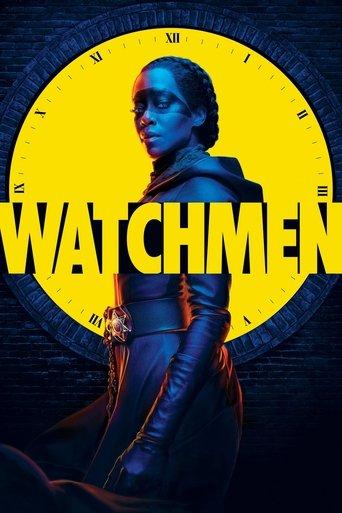
Watchmen

2019

96Score
Certified Woke Trash

Messaging overwhelms the narrative.

Share your verdict

Community verdict

Pick the band you think fits. One vote per browser on this title. You cannot change it after you vote.

Loading community votes…

Woke Breakdown

Message-first dialogue
15
Tokenistic characters
14
Ideology over story
17
Legacy rewriting
16
Modern politics injection
18
Protected protagonist pattern
12
Anti-traditional framing
15
Cultural normalization framing
14

Quick reasons

  • Dialogue often feels like a vehicle for ideological messaging rather than organic character interaction.
  • Characters are frequently designed to fulfill specific symbolic roles, leading to a lack of depth.
  • The narrative prioritizes contemporary social commentary over traditional storytelling elements.
  • Significant alterations to the original source material are evident, reflecting modern ideological priorities.
  • Contemporary political issues are injected into the narrative, disrupting immersion in the alternate history setting.

AI cultural analysis

Here's the read.

Watchmen attempts to weave a complex narrative that pays homage to its source material while pushing a modern ideological agenda. The dialogue often serves as a platform for overt messaging, detracting from character development and natural interactions. Characters feel more like symbols than fully realized individuals, which undermines the emotional weight of the story. The series heavily prioritizes contemporary social issues, sometimes at the expense of pacing and narrative coherence, leading to a sense of ideological overreach. Additionally, the legacy of the original graphic novel is altered in ways that reflect current political climates rather than staying true to its foundational themes. While the show tackles relevant topics, the execution often feels heavy-handed, making it difficult for viewers to engage with the story on its own terms.

Related titles

More like this.

People also checked

What others ran after this one.

Explore