Movie

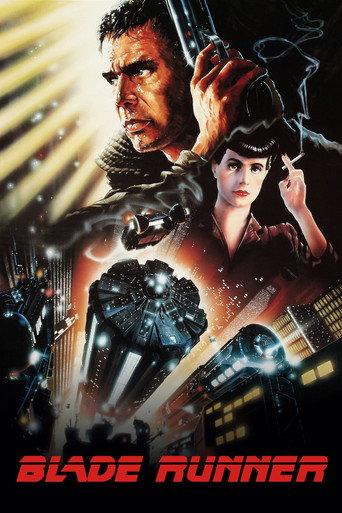
Blade Runner

1982

20Score
Absolute Cinema

Story over sermons. Cinema first.

Share your verdict

Community verdict

Pick the band you think fits. One vote per browser on this title. You cannot change it after you vote.

Loading community votes…

Woke Breakdown

Message-first dialogue
3
Tokenistic characters
2
Ideology over story
4
Legacy rewriting
0
Modern politics injection
1
Protected protagonist pattern
2
Anti-traditional framing
0
Cultural normalization framing
0

Quick reasons

  • Dialogue serves the story and character development rather than overt messaging.
  • Characters are well-rounded and not merely symbolic representations.
  • The narrative prioritizes tension and conflict over ideological framing.
  • No significant alterations to existing lore or established properties.
  • The film avoids contemporary political discourse, maintaining immersion.

AI cultural analysis

Here's the read.

Blade Runner stands as a hallmark of science fiction, weaving a complex narrative that prioritizes storytelling over overt messaging. The dialogue feels organic, enhancing character depth and emotional stakes without veering into moral lecturing. Characters like Rick Deckard and the replicants are crafted with nuance, avoiding the pitfalls of tokenism or agenda-driven construction. The film's exploration of themes such as humanity and existence is grounded in the plot, allowing for a rich, immersive experience that engages viewers on multiple levels. While there are philosophical undertones, they serve to elevate the narrative rather than overshadow it. The film remains free from modern political injections, preserving its dystopian atmosphere and allowing audiences to engage with its themes without the weight of contemporary ideological framing. Overall, Blade Runner exemplifies a masterful blend of narrative and thematic depth, making it a timeless classic.

Related titles

More like this.

People also checked

What others ran after this one.

Explore