AI cultural analysis
A short read on tone, themes, and messaging — not a plot synopsis.
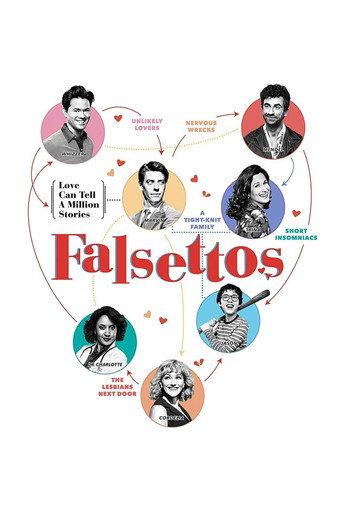
Falsettos is a musical drama that foregrounds the struggles of a Jewish family man navigating his identity and relationships during the AIDS crisis in 1980s New York. The storytelling leans heavily into social commentary and identity politics, with dialogue and character arcs often serving to highlight contemporary issues around sexuality and family rather than purely advancing plot or character complexity.
This results in some characters feeling more like symbolic representatives of marginalized groups than fully fleshed-out individuals, which can detract from organic immersion. The film embraces anti-traditional framing by portraying queer relationships and non-traditional family units as not only normal but aspirational, which is central to its cultural proposition.