Movie

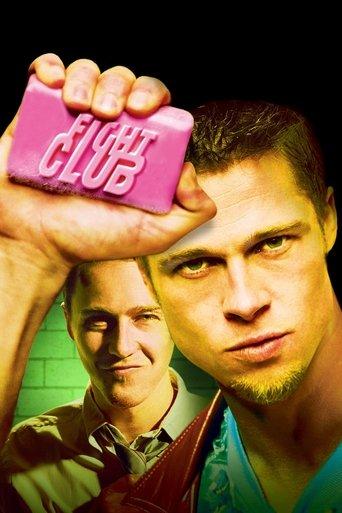
Fight Club

1999

17Score
Absolute Cinema

Story over sermons. Cinema first.

Share your verdict

Community verdict

Pick the band you think fits. One vote per browser on this title. You cannot change it after you vote.

Loading community votes…

Woke Breakdown

Message-first dialogue
5
Tokenistic characters
2
Ideology over story
4
Legacy rewriting
0
Modern politics injection
1
Protected protagonist pattern
3
Anti-traditional framing
10
Cultural normalization framing
2

Quick reasons

  • Dialogue serves the story more than an overt message, though some moments feel heavy-handed.
  • Characters are primarily driven by their narrative roles rather than being mere symbols.
  • The story prioritizes exploration of themes over strict ideological messaging.
  • The film critiques traditional societal norms, but does so in a way that feels organic to the narrative.
  • While there are elements of anti-traditional framing, they are woven into the plot rather than imposed.

AI cultural analysis

Here's the read.

Fight Club stands as a provocative exploration of masculinity and societal discontent, with its narrative grounded in character-driven conflict rather than overt messaging. The dialogue, while occasionally bordering on preachy, largely serves to enhance the story's themes rather than distract from them. Characters are developed with depth, avoiding the pitfalls of tokenism, and their motivations are intricately tied to the narrative's progression. The film does not shy away from critiquing traditional values, but this critique feels earned and is embedded within the characters' journeys rather than being a mere ideological imposition. The absence of modern political discourse allows the audience to engage with the story on a more visceral level, making it a compelling piece of cinema that resonates with its themes without sacrificing narrative integrity.

Related titles

More like this.

People also checked

What others ran after this one.

Explore

Trending now