Movie

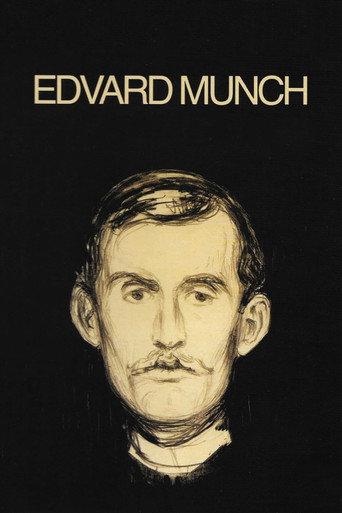
Edvard Munch

1974

10Score
Absolute Cinema

Story over sermons. Cinema first.

Share your verdict

Community verdict

Pick the band you think fits. One vote per browser on this title. You cannot change it after you vote.

Loading community votes…

Woke Breakdown

Message-first dialogue
3
Tokenistic characters
2
Ideology over story
4
Legacy rewriting
1
Modern politics injection
1
Protected protagonist pattern
2
Anti-traditional framing
1
Cultural normalization framing
2

Quick reasons

  • Dialogue serves the story rather than pushing a message.
  • Characters are primarily developed through their experiences and relationships.
  • The narrative focuses on Munch's artistic journey without heavy ideological framing.
  • Historical context is respected without significant alterations for modern agendas.
  • Themes of loss and creativity are explored organically.

AI cultural analysis

Here's the read.

Edvard Munch presents a compelling narrative that centers on the artist's formative experiences without succumbing to overt ideological messaging. The dialogue feels authentic and serves the character development rather than pushing a specific agenda. Characters are richly drawn, reflecting their personal struggles and the historical context of the time, rather than being reduced to mere symbols of representation. The film respects the legacy of Munch's life and work, avoiding significant alterations that would impose contemporary ideological frameworks on historical events. While there are elements of cultural commentary, they are woven into the fabric of the story rather than dominating it. Overall, the film is a thoughtful exploration of art and personal tragedy, allowing the narrative to lead rather than being overshadowed by modern political discourse.

Related titles

More like this.

People also checked

What others ran after this one.

Explore

Trending now