Pick the band you think fits. One vote per browser on this title. You cannot change it after you vote.
Loading community votes…
Woke Breakdown
Message-first dialogue
6
Tokenistic characters
5
Ideology over story
4
Legacy rewriting
3
Modern politics injection
5
Protected protagonist pattern
4
Anti-traditional framing
2
Cultural normalization framing
3
Quick reasons
Dialogue occasionally leans into moralizing, though it serves character development.
Characters are generally well-rounded, but some feel slightly symbolic of broader themes.
The narrative prioritizes character growth and relationship over overt ideological messaging.
While it addresses historical issues, it does so within a personal story framework.
The film does not significantly alter historical figures or events for modern ideological purposes.
AI cultural analysis
Here's the read.
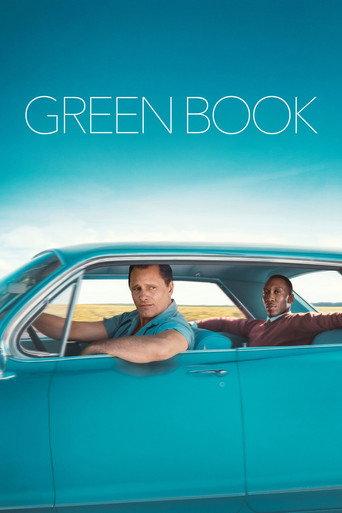
Green Book presents a compelling story about friendship and personal growth against the backdrop of a racially divided America. The dialogue, while occasionally infused with moral lessons, remains focused on the characters' development and their evolving relationship, which keeps the narrative engaging. The characters of Tony and Don are well-drawn, avoiding the pitfalls of tokenism, although some moments may feel like they serve broader themes. The film does not rewrite history but rather contextualizes it within a personal journey, which helps maintain narrative integrity. Although it touches on contemporary social issues, it does so without overwhelming the story with modern political discourse. Overall, Green Book balances its historical context with a heartfelt narrative, making it more about the characters than a mere vehicle for ideological messaging.