Pick the band you think fits. One vote per browser on this title. You cannot change it after you vote.
Loading community votes…
Woke Breakdown
Message-first dialogue
12
Tokenistic characters
10
Ideology over story
14
Legacy rewriting
15
Modern politics injection
13
Protected protagonist pattern
11
Anti-traditional framing
8
Cultural normalization framing
9
Quick reasons
The dialogue often feels like it is trying to convey a moral lesson rather than advancing the plot.
Characters appear to be included more for their symbolic representation than for their narrative depth.
The story prioritizes ideological themes over traditional storytelling elements, sacrificing pacing for messaging.
Significant alterations to the original story seem driven by contemporary ideological priorities rather than organic development.
Modern political themes are injected into the narrative, which can disrupt immersion for some viewers.
AI cultural analysis
Here's the read.
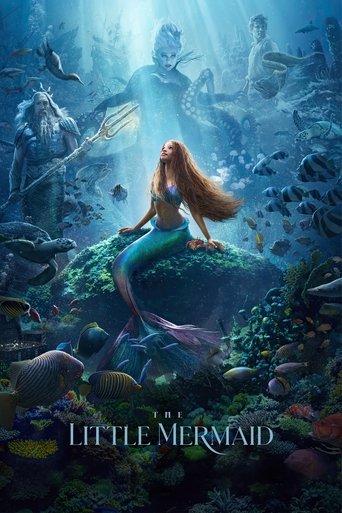
The 2023 adaptation of The Little Mermaid leans heavily into messaging, with dialogue that often feels more like a lecture than natural interaction. Characters, while visually diverse, seem to be crafted primarily for representation rather than depth, leading to a sense of tokenism. The narrative choices prioritize ideological themes over traditional storytelling, which detracts from the pacing and conflict that typically drive a fantasy adventure. Significant changes to the beloved original story appear to be motivated by modern ideological priorities, which may alienate fans of the classic. Although the protagonist, Ariel, is not portrayed as invincible, her journey often feels shielded from meaningful consequences, as her defiance is framed in a way that aligns with contemporary values. Overall, the film's attempt to inject modern political themes into a classic fairy tale creates a dissonance that can detract from the escapism that such stories are meant to provide.