Pick the band you think fits. One vote per browser on this title. You cannot change it after you vote.
Loading community votes…
Woke Breakdown
Message-first dialogue
5
Tokenistic characters
3
Ideology over story
6
Legacy rewriting
2
Modern politics injection
1
Protected protagonist pattern
4
Anti-traditional framing
8
Cultural normalization framing
3
Quick reasons
The dialogue occasionally veers into moralizing territory, but it largely serves the narrative.
Characters are primarily defined by their roles and motivations within the plot, rather than as symbols.
While there are ideological elements, the focus remains on the story's intrigue and suspense.
The film does not significantly alter historical figures or events for modern ideological purposes.
Some themes challenge traditional values, particularly regarding power dynamics and sexuality.
AI cultural analysis
Here's the read.
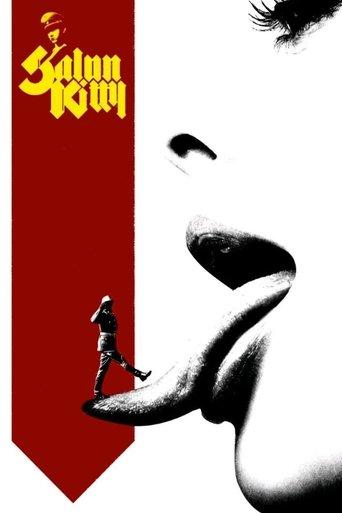
Salon Kitty presents a provocative narrative set against the backdrop of Nazi Germany, focusing on the intertwining lives of its characters within a brothel. The film's dialogue occasionally dips into overt messaging, but it primarily serves the unfolding story rather than dominating it. Characters are crafted with depth, avoiding the pitfalls of tokenism, and their motivations are rooted in the plot's context. While the film does engage with themes that challenge traditional values, particularly around power and sexuality, it does so in a way that feels organic to the story rather than forced. The historical setting is treated with a level of respect that avoids significant legacy rewriting, allowing the narrative to explore the complexities of human behavior under oppressive regimes. Overall, Salon Kitty balances its ideological elements with a compelling plot, making it a noteworthy entry in the genre.