Movie

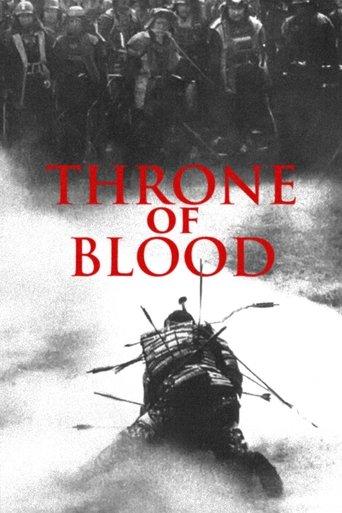
Throne of Blood

1957

5Score
Absolute Cinema

Story over sermons. Cinema first.

Share your verdict

Community verdict

Pick the band you think fits. One vote per browser on this title. You cannot change it after you vote.

Loading community votes…

Woke Breakdown

Message-first dialogue
2
Tokenistic characters
1
Ideology over story
3
Legacy rewriting
0
Modern politics injection
0
Protected protagonist pattern
2
Anti-traditional framing
0
Cultural normalization framing
0

Quick reasons

  • Dialogue serves the story, with characters expressing their motivations organically.
  • Characters are deeply developed and integral to the narrative, not merely symbolic.
  • The story prioritizes character arcs and dramatic tension over ideological messaging.
  • The adaptation remains faithful to the source material's themes without modern reinterpretation.
  • The film does not inject contemporary political themes into its historical setting.

AI cultural analysis

Here's the read.

Throne of Blood is a masterclass in storytelling that prioritizes character development and dramatic tension over overt messaging. The dialogue flows naturally, reflecting the characters' motivations and desires without feeling like a vehicle for moral lecturing. The depth of the characters, particularly Washizu and Asaji, showcases their complexity and the consequences of their actions, rather than reducing them to mere symbols of ideology. This adaptation of Macbeth remains true to the original themes of ambition and fate without imposing modern political narratives onto its historical context. The film's focus on the tragic downfall of its protagonist is grounded in the lore of its setting, maintaining internal consistency and avoiding any narrative breaks. Overall, Kurosawa's work stands as a testament to the power of storytelling, where the plot and character arcs take precedence over any contemporary ideological framing.

Related titles

More like this.

People also checked

What others ran after this one.

Explore

Trending now