Pick the band you think fits. One vote per browser on this title. You cannot change it after you vote.
Loading community votes…
Woke Breakdown
Message-first dialogue
8
Tokenistic characters
6
Ideology over story
10
Legacy rewriting
7
Modern politics injection
5
Protected protagonist pattern
4
Anti-traditional framing
6
Cultural normalization framing
3
Quick reasons
Dialogue occasionally veers into moralizing territory, detracting from character development.
Some characters feel more like symbols than fully fleshed individuals, particularly in their roles within the narrative.
The story prioritizes ideological themes over pacing and tension, particularly in its portrayal of authority figures.
While it attempts to stay true to the Robin Hood legend, there are noticeable alterations that reflect modern sensibilities.
The film injects contemporary political themes subtly, which can disrupt the historical immersion.
AI cultural analysis
Here's the read.
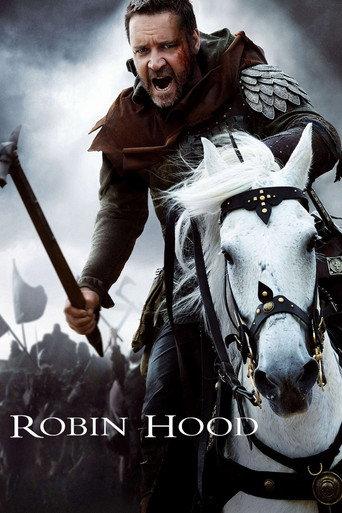
Robin Hood (2010) presents a blend of action and drama but struggles with a narrative that occasionally prioritizes ideology over story. The dialogue features moments of moral lecturing, which can feel forced and detracts from the authenticity of character interactions. While the film attempts to portray a classic tale, it introduces modern political themes that may pull viewers out of the historical context, creating a sense of dissonance. Characters, particularly the protagonist, sometimes feel like vehicles for ideological messaging rather than organic participants in the story. Although the film does not present an invincible hero, there are instances where character motivations and arcs seem shaped by contemporary values rather than the established lore of the Robin Hood legend. Overall, while it has its merits in action and adventure, the ideological framing and character construction detract from its potential as a timeless retelling.