Pick the band you think fits. One vote per browser on this title. You cannot change it after you vote.
Loading community votes…
Woke Breakdown
Message-first dialogue
8
Tokenistic characters
6
Ideology over story
7
Legacy rewriting
0
Modern politics injection
3
Protected protagonist pattern
4
Anti-traditional framing
5
Cultural normalization framing
6
Quick reasons
Dialogue occasionally leans towards moral lecturing, particularly around race.
Characters feel somewhat representative of broader social issues, but still have depth.
The narrative explores complex themes but does not fully prioritize ideology over story.
Some elements challenge traditional norms, but they are woven into character arcs rather than overt messaging.
The film does not rewrite any established legacy but engages with contemporary issues.
AI cultural analysis
Here's the read.
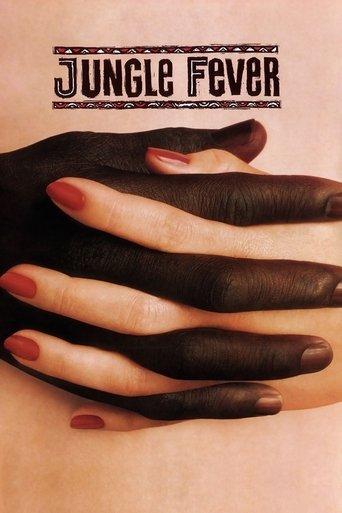
Jungle Fever navigates the complexities of interracial relationships with a focus on personal conflict and societal pressures. While the dialogue sometimes veers into overt messaging, it largely serves to enhance the character's struggles rather than overshadow them. The characters are not mere symbols; they are crafted with enough depth to resonate with audiences, though they do reflect certain societal dynamics. The film's exploration of taboo relationships is nuanced, allowing for both tension and authenticity without sacrificing narrative integrity. Although there are moments of ideological framing, they do not dominate the storytelling, which remains grounded in the characters' experiences. Overall, the film presents a compelling drama that addresses racial themes without fully succumbing to message-first storytelling.