Movie

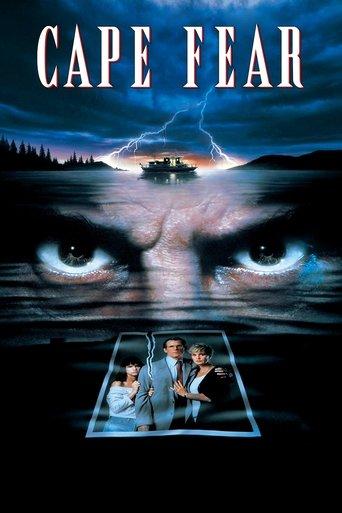
Cape Fear

1991

6Score
Absolute Cinema

Story over sermons. Cinema first.

Share your verdict

Community verdict

Pick the band you think fits. One vote per browser on this title. You cannot change it after you vote.

Loading community votes…

Woke Breakdown

Message-first dialogue
2
Tokenistic characters
1
Ideology over story
3
Legacy rewriting
0
Modern politics injection
1
Protected protagonist pattern
3
Anti-traditional framing
0
Cultural normalization framing
0

Quick reasons

  • Dialogue serves the tension and character development rather than pushing a message.
  • Characters are well-developed and integral to the plot, not just symbolic representations.
  • The story prioritizes suspense and conflict over ideological themes.
  • There are no significant alterations to existing narratives or characters for modern agendas.
  • The film avoids contemporary political discourse, focusing instead on personal vendettas.

AI cultural analysis

Here's the read.

Cape Fear is a masterclass in tension-building and character-driven storytelling. The dialogue is sharp and serves to deepen the psychological conflict between Sam Bowden and Max Cady, rather than pushing any overt ideological messages. The characters are complex and their motivations are grounded in personal history, making them feel authentic and relatable. This film does not engage in legacy rewriting; it stands on its own as a gripping thriller without the need to conform to modern agendas. The absence of political messaging allows the narrative to unfold naturally, focusing on the primal themes of fear, vengeance, and moral ambiguity. The stakes feel real, and the consequences of the characters' actions are impactful, ensuring that the audience is fully immersed in the story. Overall, Cape Fear is a compelling exploration of the darker sides of human nature, free from the trappings of contemporary ideological framing.

Related titles

More like this.

People also checked

What others ran after this one.

Explore

Trending now