Pick the band you think fits. One vote per browser on this title. You cannot change it after you vote.
Loading community votes…
Woke Breakdown
Message-first dialogue
15
Tokenistic characters
12
Ideology over story
14
Legacy rewriting
10
Modern politics injection
13
Protected protagonist pattern
8
Anti-traditional framing
16
Cultural normalization framing
10
Quick reasons
Dialogue heavily leans into moral lecturing about the implications of Franco's regime.
Characters seem constructed primarily to represent various ideological viewpoints rather than for narrative depth.
The story prioritizes delivering a political message over organic storytelling and character development.
The portrayal of historical figures feels altered to fit a modern ideological narrative, straying from factual representation.
Contemporary political themes are injected into a historical setting, disrupting immersion.
AI cultural analysis
Here's the read.
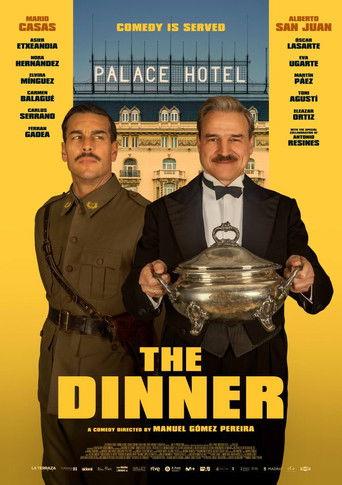
The Dinner attempts to blend comedy and drama against a backdrop of historical events, yet it often feels more like a vehicle for political commentary than a cohesive narrative. The dialogue is laden with overt messaging, making it difficult for the audience to engage with the characters or their motivations organically. Characters are crafted to symbolize various ideological stances, which detracts from their depth and relatability. This tokenism is particularly evident in the way certain figures are portrayed, often sacrificing historical accuracy for the sake of modern ideological framing. The film's approach to Franco's regime is heavily critical, normalizing a viewpoint that may alienate viewers looking for a balanced exploration of history. Overall, the film's focus on delivering a cultural thesis overshadows its potential as an engaging story, resulting in a narrative that feels more like a lecture than a celebration of history.