Pick the band you think fits. One vote per browser on this title. You cannot change it after you vote.
Loading community votes…
Woke Breakdown
Message-first dialogue
12
Tokenistic characters
10
Ideology over story
14
Legacy rewriting
6
Modern politics injection
8
Protected protagonist pattern
10
Anti-traditional framing
5
Cultural normalization framing
7
Quick reasons
Dialogue often feels like it’s pushing a social agenda rather than developing character relationships.
Characters appear to be included more for their symbolic value than for organic narrative depth.
The story prioritizes modern ideological themes over the pacing and humor that made the original engaging.
There are noticeable updates to the original characters that feel more like ideological repositioning than natural evolution.
Some character arcs seem to sidestep real consequences, reinforcing a protected protagonist pattern.
AI cultural analysis
Here's the read.
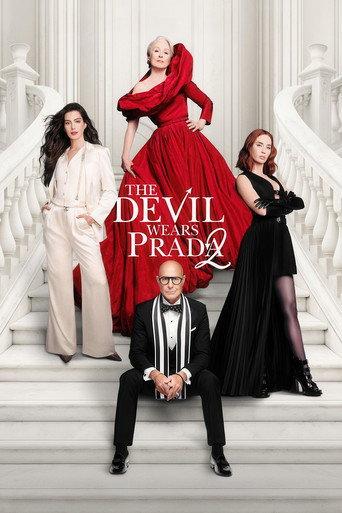
The Devil Wears Prada 2 attempts to recapture the charm of its predecessor but often stumbles into message-first territory. Dialogue frequently veers into moralizing, detracting from the character-driven humor that defined the original film. The characters, while familiar, feel reshaped to fit contemporary narratives, leading to a sense of tokenism that undermines their depth. The film's pacing suffers as it prioritizes ideological themes over the engaging conflict and character dynamics that fans expect. Although the story does not break its internal logic, the modern political discourse woven throughout feels forced and detracts from the escapist nature of the comedy-drama genre. While the film does offer some nostalgic moments, it ultimately leans too heavily on contemporary cultural signaling, making it less about the characters' journeys and more about delivering a specific message.