Pick the band you think fits. One vote per browser on this title. You cannot change it after you vote.
Loading community votes…
Woke Breakdown
Message-first dialogue
8
Tokenistic characters
5
Ideology over story
7
Legacy rewriting
2
Modern politics injection
3
Protected protagonist pattern
4
Anti-traditional framing
1
Cultural normalization framing
6
Quick reasons
Dialogue occasionally feels like it's pushing a message rather than flowing naturally.
Characters are grounded in their historical context, but some may feel slightly underdeveloped.
The narrative does prioritize emotional themes, but it remains rooted in the historical experience.
While the story is based on real events, there are moments that feel like they serve a modern agenda.
The film does not heavily rewrite the legacy of its characters but does engage with contemporary themes.
AI cultural analysis
Here's the read.
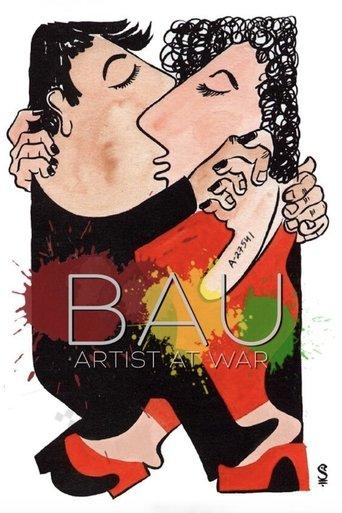
Bau, Artist at War presents a poignant narrative rooted in the historical realities of the Holocaust, focusing on love and resilience in the face of unimaginable adversity. The dialogue, while impactful, sometimes leans towards message-driven exchanges that can disrupt the organic flow of the story. The characters, particularly Joseph and Rebecca, are based on real individuals, lending authenticity to their experiences, though some viewers might find them lacking in depth. The film does a commendable job of avoiding overt legacy rewriting, instead honoring the past while addressing contemporary themes of trauma and justice. However, the emotional weight of Joseph's journey occasionally feels overshadowed by the need to convey broader moral lessons, which may detract from the immersive experience of the narrative. Overall, while the film is a heartfelt tribute to its subjects, it occasionally falters in balancing its historical context with modern ideological framing.