Movie

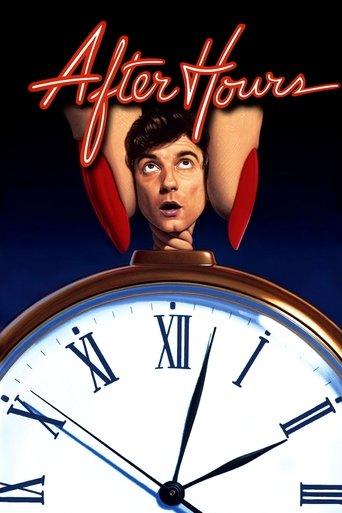
After Hours

1985

8Score
Absolute Cinema

Story over sermons. Cinema first.

Share your verdict

Community verdict

Pick the band you think fits. One vote per browser on this title. You cannot change it after you vote.

Loading community votes…

Woke Breakdown

Message-first dialogue
3
Tokenistic characters
2
Ideology over story
2
Legacy rewriting
0
Modern politics injection
1
Protected protagonist pattern
3
Anti-traditional framing
1
Cultural normalization framing
1

Quick reasons

  • The dialogue feels organic and serves the story rather than pushing a message.
  • Characters are quirky but not overly symbolic or agenda-driven.
  • The plot unfolds with a focus on entertainment rather than ideological commentary.
  • There are no significant alterations to existing franchises or narratives.
  • The film does not inject modern political discourse into its escapist setting.

AI cultural analysis

Here's the read.

After Hours stands out as a sharp, engaging narrative that prioritizes story over message. The dialogue flows naturally, allowing characters to develop organically without feeling like vehicles for social commentary. Paul Hackett's misadventures in downtown Manhattan are both humorous and thrilling, showcasing a unique blend of comedy and drama without succumbing to overt ideological framing. The characters, while eccentric, are not tokenized; they contribute meaningfully to the plot and the protagonist's journey. The film maintains a consistent internal logic, avoiding any lore breaks or unearned character invincibility. Overall, After Hours is a well-crafted piece that entertains without the weight of contemporary ideological concerns, making it a refreshing watch.

Related titles

More like this.

People also checked

What others ran after this one.

Explore

Trending now