Pick the band you think fits. One vote per browser on this title. You cannot change it after you vote.
Loading community votes…
Woke Breakdown
Message-first dialogue
3
Tokenistic characters
2
Ideology over story
4
Legacy rewriting
0
Modern politics injection
1
Protected protagonist pattern
3
Anti-traditional framing
2
Cultural normalization framing
1
Quick reasons
Dialogue feels authentic and grounded, serving character development rather than overt messaging.
Characters are relatable and flawed, contributing to a rich narrative without feeling like mere symbols.
The story prioritizes personal growth and emotional honesty over ideological framing.
There are no significant alterations to legacy elements or established norms, maintaining the original spirit.
The film avoids heavy-handed political commentary, allowing for a more immersive experience.
AI cultural analysis
Here's the read.
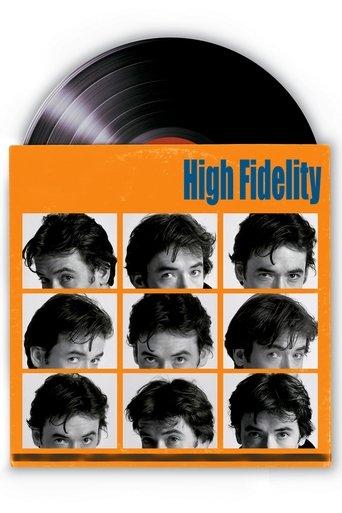
High Fidelity is a charming exploration of love and heartbreak, anchored by its relatable protagonist and witty dialogue. The film's narrative is driven by character development and personal reflection, steering clear of overt messaging or ideological agendas. The protagonist's journey through his top five breakups feels authentic, with dialogue that flows naturally rather than serving as a vehicle for social commentary. Characters are well-rounded and complex, avoiding the pitfalls of tokenism or agenda-driven construction. The film maintains its focus on storytelling and emotional resonance, allowing the audience to engage with the protagonist's struggles without feeling lectured. While there are moments of introspection that touch on relationships and gender dynamics, they are woven into the fabric of the narrative rather than dominating it. Overall, High Fidelity stands as a testament to the power of character-driven storytelling.