AI cultural analysis
A short read on tone, themes, and messaging — not a plot synopsis.
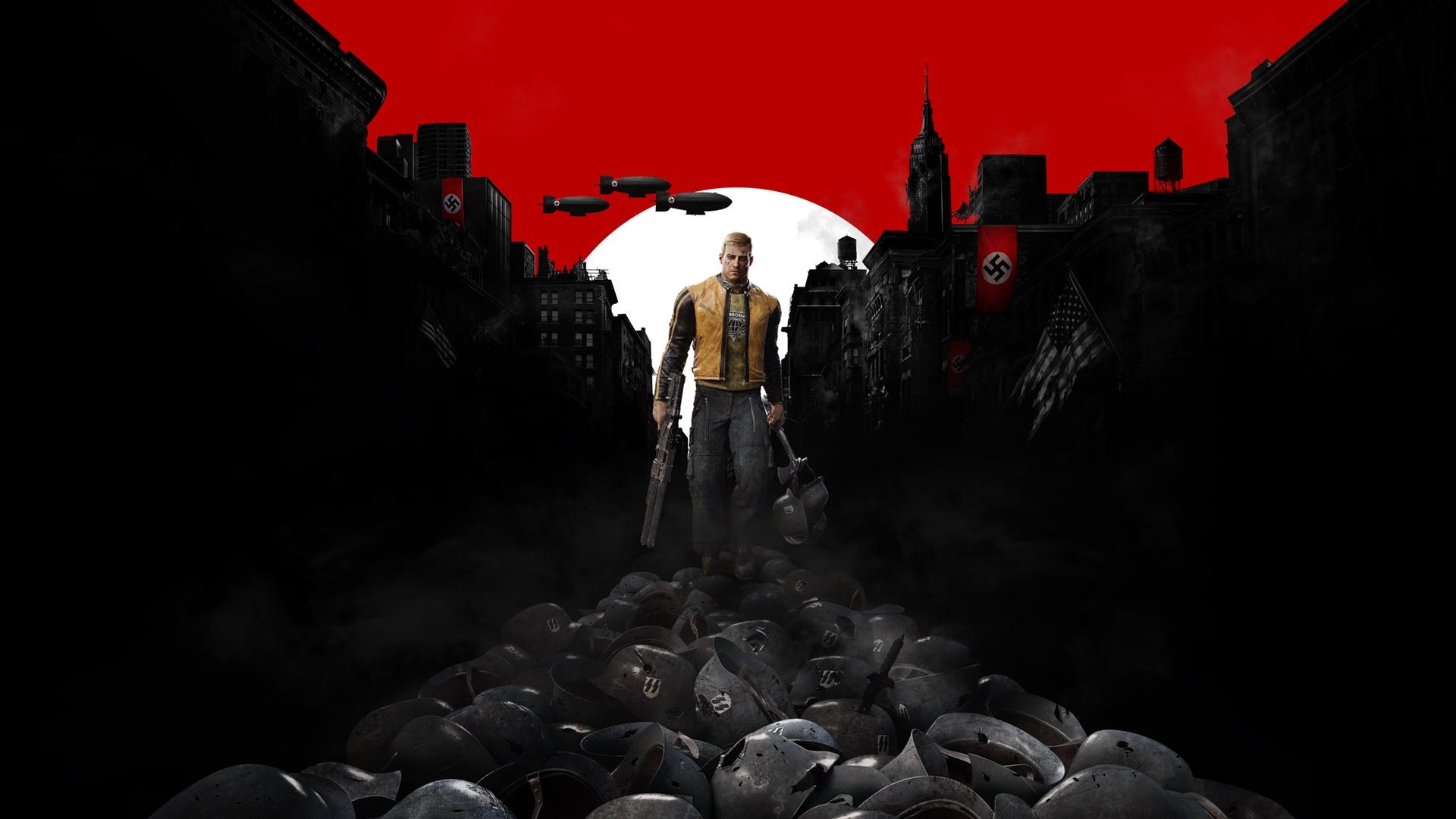
Wolfenstein II: The New Colossus leans heavily into ideological messaging, with dialogue that often serves as a vehicle for political commentary rather than advancing character arcs or plot. The characters, while engaging, frequently feel like they exist to fulfill specific symbolic roles, which undermines their potential for depth and relatability.
The game’s narrative choices prioritize delivering a modern political thesis over traditional storytelling, making the experience feel more like a lecture than an immersive adventure. This is compounded by a tendency to reinterpret historical events in a way that aligns with contemporary ideological perspectives, which can alienate players seeking a straightforward action experience.