Pick the band you think fits. One vote per browser on this title. You cannot change it after you vote.
Loading community votes…
Why users rated it this way
Community voters most often cited the following (optional tags they chose after voting). This reflects perceptions, not facts.
Forced diversity / representation22% · 4
Identity over story22% · 4
Political messaging22% · 4
Preachy dialogue17% · 3
Woke Breakdown
Message-first dialogue
5
Tokenistic characters
6
Ideology over story
4
Legacy rewriting
3
Modern politics injection
2
Protected protagonist pattern
5
Anti-traditional framing
3
Cultural normalization framing
4
Quick reasons
Dialogue serves the fantasy RPG experience, with minimal overt messaging.
Characters have distinct backstories but risk feeling like archetypes for representation.
The plot focuses on classic hero's journey themes without heavy ideological imposition.
While some elements nod to modern themes, they don't dominate the narrative.
The protagonist's journey is grounded in the lore of Thedas, though some aspects feel scripted.
AI cultural analysis
Here's the read.
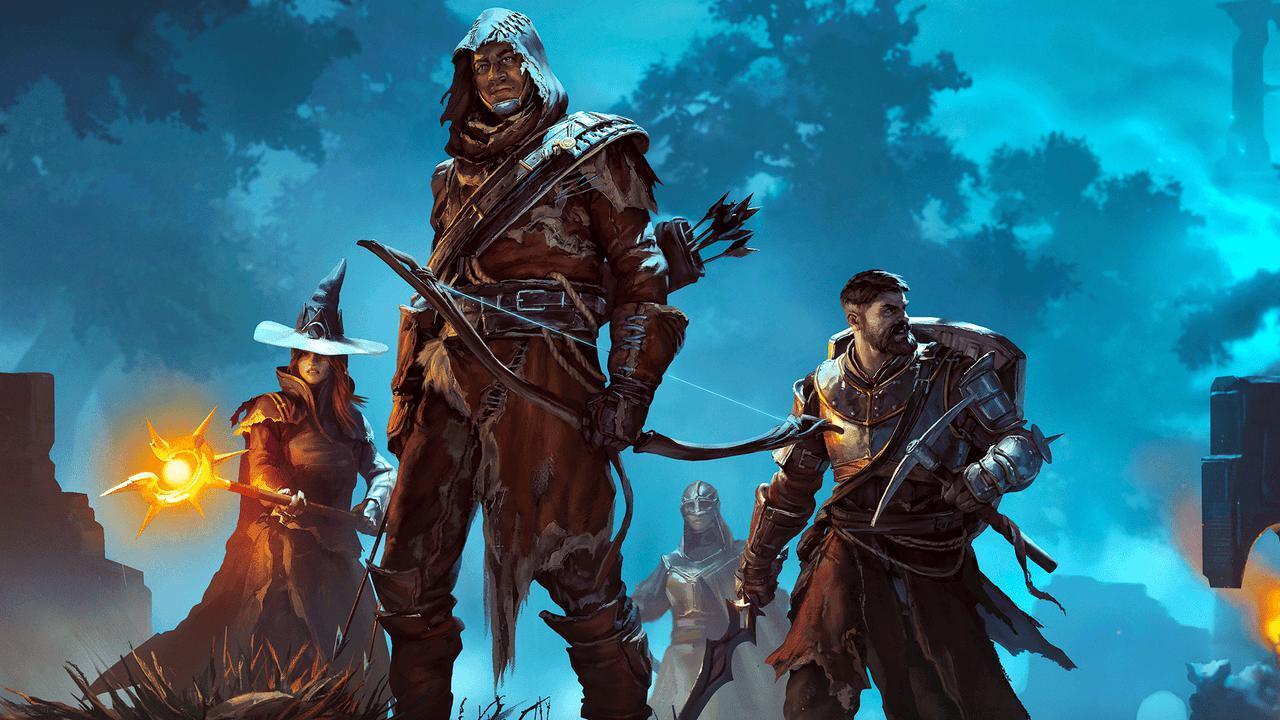
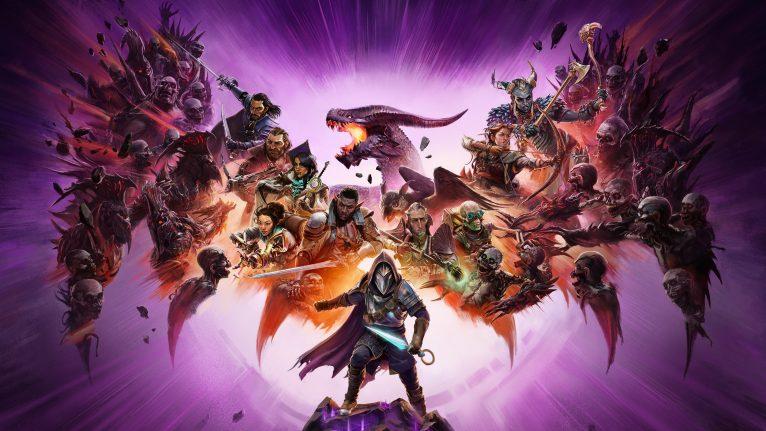
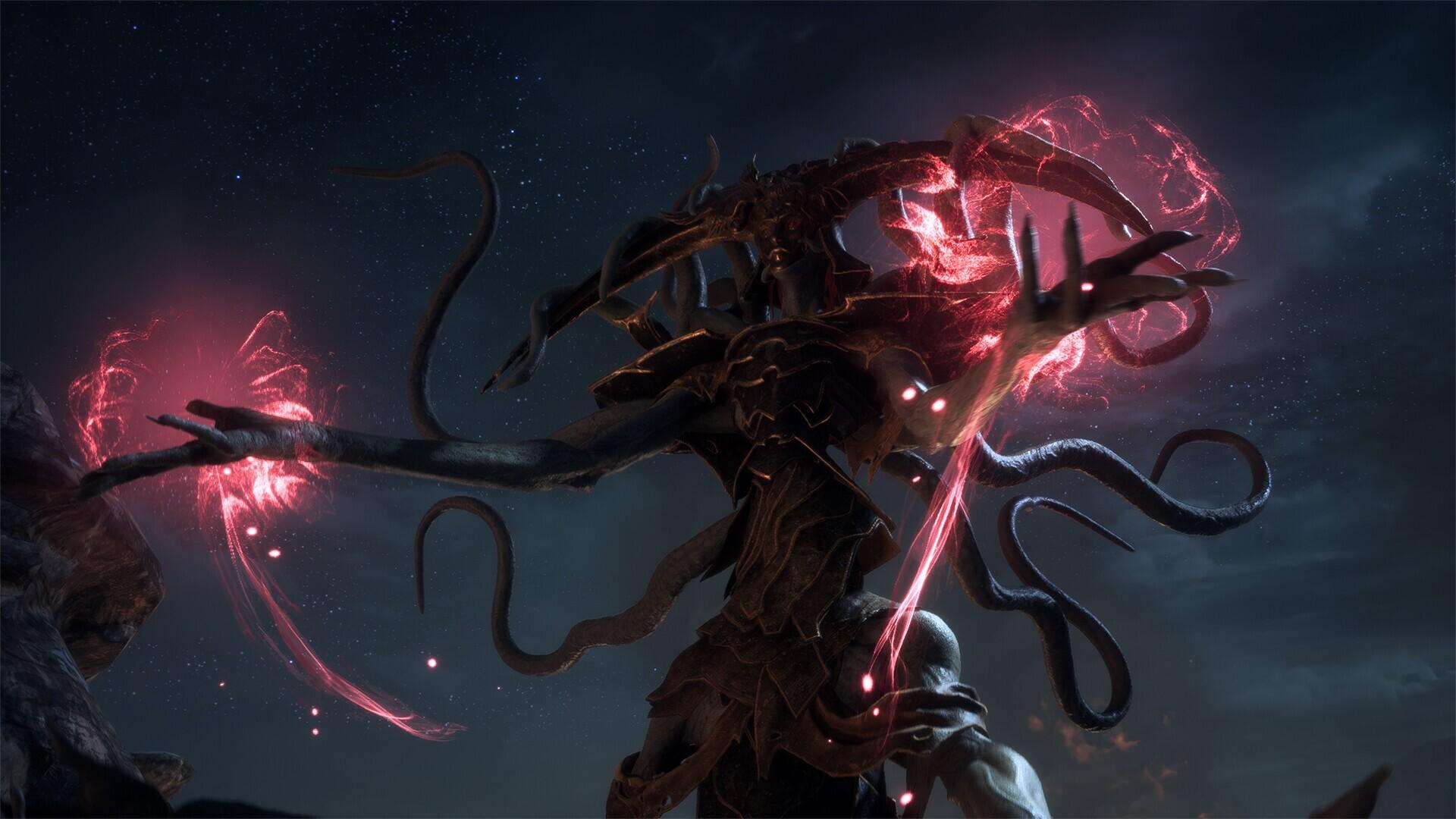
Dragon Age: The Veilguard offers a familiar RPG experience that prioritizes story and character development over overt messaging. The dialogue is crafted to enhance the immersive world of Thedas, allowing players to engage with the narrative without feeling lectured. While the characters are rich in backstory, some may feel like they fit into modern archetypes, which could be perceived as tokenism. The game does not heavily rewrite the established lore of the Dragon Age universe, maintaining a sense of continuity while introducing new threats. The protagonist, Rook, faces challenges that are grounded in the narrative, avoiding the pitfalls of an invincible character. Overall, the game balances traditional fantasy elements with contemporary themes, making it a solid entry in the franchise without succumbing to heavy ideological framing.