Book

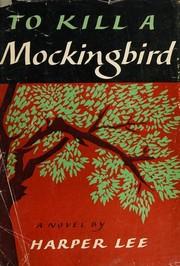
To Kill a Mockingbird

1969

10Score
Essential Reading

Screenshot this verdict

Woke Breakdown

Message-first dialogue
3
Tokenistic characters
2
Ideology over story
4
Legacy rewriting
0
Modern politics injection
1
Protected protagonist pattern
2
Anti-traditional framing
2
Cultural normalization framing
1

Quick reasons

  • Dialogue feels authentic and serves the narrative rather than pushing a modern agenda.
  • Characters are developed with depth, avoiding the pitfalls of tokenism.
  • The story prioritizes emotional engagement and moral complexity over ideological messaging.
  • No significant legacy rewriting; the original narrative remains intact.
  • While it tackles serious themes, it does so in a way that feels organic to the story.

AI cultural analysis

Here's the read.

To Kill a Mockingbird stands as a timeless classic that resonates due to its rich storytelling and character development. Harper Lee's narrative unfolds through the innocent eyes of Scout and Jem, allowing readers to engage with complex themes of race and justice without feeling overwhelmed by overt messaging. The dialogue feels natural and serves the story, steering clear of the preachy tone often found in modern works. Characters like Atticus Finch embody moral integrity without being reduced to mere symbols of virtue, maintaining a sense of realism and relatability. While the book addresses the harsh realities of prejudice and inequality, it does so with a nuanced approach that prioritizes emotional depth over ideological framing. The historical context enriches the narrative rather than detracting from it, ensuring that the story remains compelling and relevant. Overall, To Kill a Mockingbird exemplifies how literature can tackle difficult subjects while remaining firmly rooted in character-driven storytelling.

Related titles

More like this.

People also checked

What others ran after this one.

Agree with this score?

Voting coming soon. For now, just screenshot it.

Explore