Book

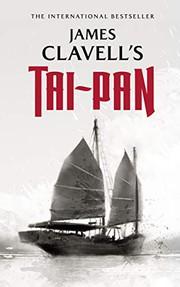
Tai-Pan

13Score
Essential Reading
Share your verdict

Community verdict

Pick the band you think fits. One vote per browser on this title. You cannot change it after you vote.

Loading community votes…

Woke Breakdown

Message-first dialogue
4
Tokenistic characters
3
Ideology over story
5
Legacy rewriting
2
Modern politics injection
3
Protected protagonist pattern
2
Anti-traditional framing
1
Cultural normalization framing
1

Quick reasons

  • Dialogue serves the plot without heavy-handed messaging.
  • Characters are developed with depth rather than as mere symbols.
  • The story prioritizes historical context over ideological framing.
  • No significant alteration of traditional narratives or themes.
  • The protagonist faces real challenges and consequences.

AI cultural analysis

Here's the read.

Tai-Pan is a historical novel that immerses readers in the complexities of 19th-century Hong Kong. The dialogue feels authentic and serves the story, avoiding overt messaging that could detract from the narrative. Characters are well-rounded and not simply vehicles for political or social commentary, allowing for a richer exploration of their motivations and conflicts. The plot remains focused on the historical context and personal dramas, steering clear of modern ideological impositions that might disrupt immersion. While there are themes of power and colonialism, they are woven into the fabric of the story rather than presented as a moral lecture. Overall, Tai-Pan maintains a balance between storytelling and thematic depth, making it a compelling read without falling into the traps of contemporary ideological framing.
Related titles

More like this.

People also checked

What others ran after this one.

Explore

Trending now