TV Show

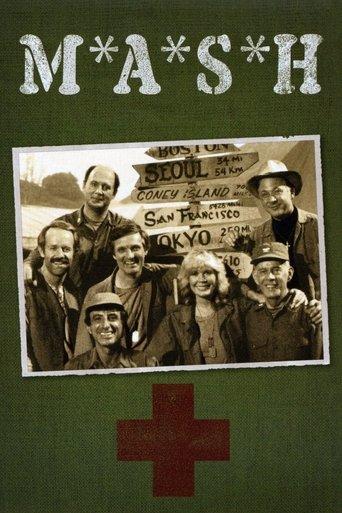
M*A*S*H

1972

13Score
Peak Television
Share your verdict

Season Wokeness Breakdown

Season-by-season woke breakdown coming soon.

Community verdict

Pick the band you think fits. One vote per browser on this title. You cannot change it after you vote.

Loading community votes…

Woke Breakdown

Message-first dialogue
5
Tokenistic characters
3
Ideology over story
4
Legacy rewriting
0
Modern politics injection
2
Protected protagonist pattern
2
Anti-traditional framing
1
Cultural normalization framing
3

Quick reasons

  • The dialogue often serves the humor and character development rather than overt messaging.
  • Characters are well-rounded and not merely symbols for representation; they have depth and arcs.
  • The storytelling prioritizes character interactions and comedic situations over ideological framing.
  • There is no significant alteration of existing narratives or characters for modern ideological purposes.
  • While some contemporary issues are touched upon, they do not dominate the narrative.

AI cultural analysis

Here's the read.

M*A*S*H stands out as a classic that balances humor and drama within the context of war without succumbing to heavy-handed messaging. The characters are fleshed out, engaging in witty banter and practical jokes that reflect their humanity amid the chaos of war. The dialogue feels organic, serving the story and character relationships rather than pushing an agenda. While the show touches on serious themes, it does so in a way that enhances the narrative rather than detracting from it with overt political messaging. The characters face real challenges and consequences, grounding their experiences in the harsh realities of wartime life. Overall, M*A*S*H manages to entertain while subtly addressing the absurdities of conflict, making it a timeless piece that remains relevant without falling into the traps of modern ideological framing.
Related titles

More like this.

People also checked

What others ran after this one.

Explore

Trending now