Pick the band you think fits. One vote per browser on this title. You cannot change it after you vote.
Loading community votes…
Woke Breakdown
Message-first dialogue
8
Tokenistic characters
4
Ideology over story
10
Legacy rewriting
0
Modern politics injection
5
Protected protagonist pattern
6
Anti-traditional framing
8
Cultural normalization framing
7
Quick reasons
Dialogue occasionally veers into overt messaging, particularly around themes of rebellion and justice.
Characters are generally well-developed, with motivations that extend beyond mere representation.
The narrative does prioritize ideological themes, especially regarding power dynamics and oppression.
While it doesn't rewrite legacy content, it does present a modern take on colonialism and resistance.
The show contains elements that could be interpreted as anti-traditional, especially in its portrayal of authority.
AI cultural analysis
Here's the read.
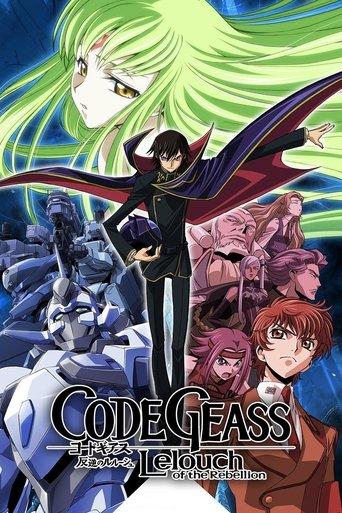
Code Geass: Lelouch of the Rebellion presents a compelling narrative that intertwines themes of rebellion against oppressive regimes with complex character arcs. The dialogue occasionally leans into moral messaging, particularly when discussing justice and the consequences of power. However, the characters maintain depth and are not merely vehicles for ideological points, which keeps the story engaging. The plot does not break established lore, maintaining a consistent internal logic that enhances immersion. While the series does not rewrite legacy content, it does offer a modern perspective on themes of colonialism and resistance, which could be seen as reflective of contemporary political discourse. The protagonist, Lelouch, is portrayed with both strengths and vulnerabilities, avoiding the pitfalls of being an invincible character. Overall, the balance between story and ideology allows for a rich viewing experience, though some elements of political messaging are present, particularly in the framing of authority and rebellion.