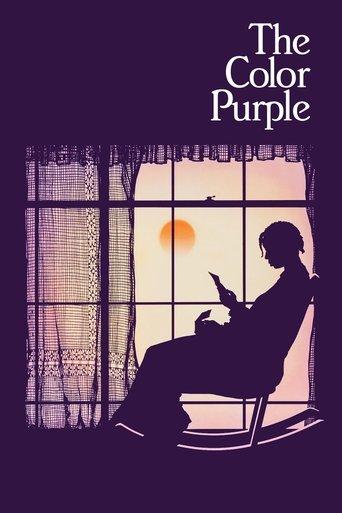
Movie

The Color Purple

1985

20Score
Absolute Cinema

Story over sermons. Cinema first.

Share your verdict

Community verdict

Pick the band you think fits. One vote per browser on this title. You cannot change it after you vote.

Loading community votes…

Woke Breakdown

Message-first dialogue
5
Tokenistic characters
4
Ideology over story
6
Legacy rewriting
2
Modern politics injection
3
Protected protagonist pattern
4
Anti-traditional framing
5
Cultural normalization framing
3

Quick reasons

  • Dialogue serves the emotional weight of the story rather than overt messaging.
  • Characters are deeply developed, reflecting their struggles authentically.
  • The narrative prioritizes Celie's journey over any ideological agenda.
  • While themes of resilience and empowerment are present, they do not overshadow the plot.
  • The film does not significantly alter the source material for modern ideological purposes.

AI cultural analysis

Here's the read.

The Color Purple stands as a powerful narrative focused on the life and struggles of Celie, a character whose depth and resilience drive the story. The dialogue feels authentic, serving to enhance the emotional journey rather than pushing a specific ideological message. Characters are well-rounded and complex, avoiding the pitfalls of tokenism, as they embody genuine experiences rather than merely representing demographics. The film's themes of empowerment and survival resonate without overshadowing the narrative's core, allowing for a rich exploration of personal growth and relationships. Although it touches on societal issues, it does so in a way that feels organic to the story, rather than as a forced commentary. Overall, The Color Purple is a poignant tale that prioritizes storytelling and character development over overt ideological framing.

Related titles

More like this.

People also checked

What others ran after this one.

Explore

Trending now