Pick the band you think fits. One vote per browser on this title. You cannot change it after you vote.
Loading community votes…
Woke Breakdown
Message-first dialogue
8
Tokenistic characters
6
Ideology over story
7
Legacy rewriting
5
Modern politics injection
4
Protected protagonist pattern
3
Anti-traditional framing
5
Cultural normalization framing
4
Quick reasons
Dialogue occasionally feels like it serves a thematic agenda rather than character development.
Some characters seem to exist more for representational value than for their narrative roles.
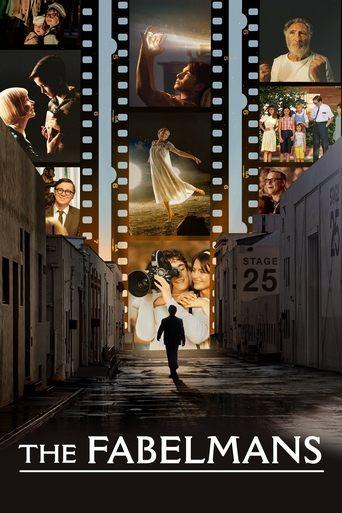
The film's exploration of family dynamics can feel ideologically driven at points.
While it tells a personal story, it sometimes leans into modern interpretations of traditional family structures.
The protagonist's journey is compelling, but there are moments where it feels like the message overshadows the storytelling.
AI cultural analysis
Here's the read.
The Fabelmans presents a personal narrative that intertwines the love of filmmaking with complex family dynamics. While the story is grounded in the protagonist's experiences, there are moments where the dialogue leans towards overt messaging, detracting from the organic flow of the narrative. Characters occasionally feel like they are included for their symbolic value rather than being fully fleshed out, which can disrupt immersion. The film does explore traditional family themes but sometimes does so through a contemporary lens that can feel agenda-driven. Despite its artistic merit, the film's ideological undercurrents occasionally overshadow its storytelling, making it a blend of personal memoir and cultural commentary. Overall, it balances personal storytelling with thematic exploration, though not without some ideological weight.