Pick the band you think fits. One vote per browser on this title. You cannot change it after you vote.
Loading community votes…
Woke Breakdown
Message-first dialogue
5
Tokenistic characters
3
Ideology over story
4
Legacy rewriting
2
Modern politics injection
1
Protected protagonist pattern
3
Anti-traditional framing
2
Cultural normalization framing
3
Quick reasons
Dialogue serves the historical context rather than pushing a modern agenda.
Characters are well-developed and rooted in their historical roles, avoiding tokenism.
The story prioritizes Lincoln's leadership and moral dilemmas over contemporary ideological framing.
While the film addresses significant social issues, it does so with a focus on narrative rather than overt messaging.
The portrayal of Lincoln is grounded in historical accuracy, making him a complex figure rather than a protected symbol.
AI cultural analysis
Here's the read.
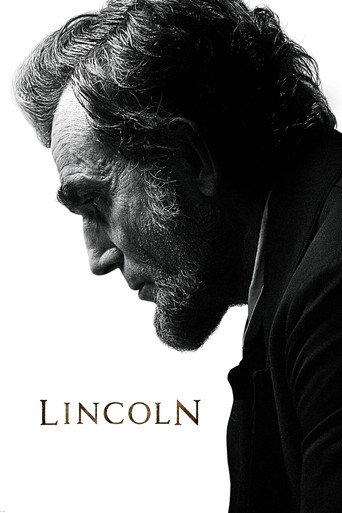
Lincoln presents a nuanced portrayal of a pivotal moment in American history, focusing on the complexities of leadership during a time of great moral and political upheaval. The dialogue is crafted to reflect the era, allowing for organic interactions that enhance the story rather than serve as vehicles for modern ideological messaging. Characters are fleshed out and grounded in their historical context, steering clear of tokenism and instead showcasing the diverse perspectives of the time. While the film addresses the abolition of slavery and the challenges of unifying a divided nation, it does so through the lens of Lincoln's personal struggles and moral courage, rather than through overt political messaging. Overall, Lincoln excels in its storytelling, prioritizing historical authenticity and character development over contemporary ideological framing.