Pick the band you think fits. One vote per browser on this title. You cannot change it after you vote.
Loading community votes…
Woke Breakdown
Message-first dialogue
8
Tokenistic characters
5
Ideology over story
10
Legacy rewriting
0
Modern politics injection
2
Protected protagonist pattern
6
Anti-traditional framing
7
Cultural normalization framing
3
Quick reasons
The dialogue often serves to highlight the characters' struggles rather than advancing a broader ideological message.
While the characters are deeply flawed, they are not mere symbols; their narratives are grounded in personal tragedy.
The film prioritizes the harrowing consequences of addiction over any explicit social commentary.
There is a clear focus on the destructive nature of addiction, which can be interpreted as anti-traditional, yet it remains character-driven.
The protagonists face severe consequences for their actions, reinforcing the narrative's grim reality.
AI cultural analysis
Here's the read.
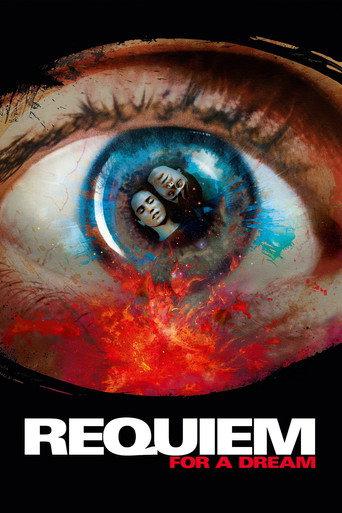
Requiem for a Dream presents a harrowing exploration of addiction that prioritizes character depth and emotional impact over overt messaging. The dialogue serves to illustrate the characters' internal struggles, avoiding the pitfalls of moral lecturing. While the film does delve into anti-traditional themes surrounding addiction and societal expectations, it does so through the lens of personal tragedy rather than ideological framing. The characters are flawed yet complex, facing dire consequences that enhance the narrative's weight and realism. The absence of invincible protagonists allows for a raw portrayal of their descent, grounding the story in a harsh reality that resonates with audiences. Overall, the film's focus on the human experience of addiction elevates it beyond mere social commentary, making it a powerful cinematic experience.