Pick the band you think fits. One vote per browser on this title. You cannot change it after you vote.
Loading community votes…
Woke Breakdown
Message-first dialogue
3
Tokenistic characters
2
Ideology over story
4
Legacy rewriting
0
Modern politics injection
1
Protected protagonist pattern
2
Anti-traditional framing
0
Cultural normalization framing
1
Quick reasons
The dialogue serves the emotional journey rather than pushing a specific agenda.
Characters are well-developed and feel integral to the story rather than mere symbols.
The narrative focuses on personal relationships and the impact of war without overt ideological framing.
There are no significant alterations to historical events for modern ideological purposes.
The film maintains a traditional storytelling approach, emphasizing character growth and emotional stakes.
AI cultural analysis
Here's the read.
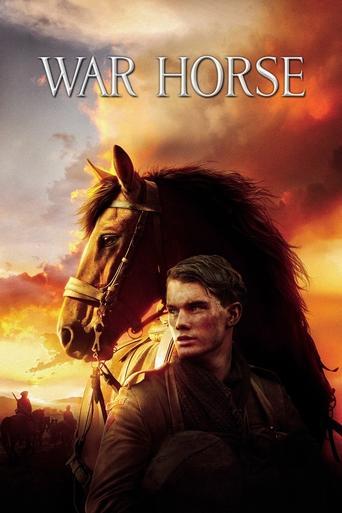
War Horse stands out as a poignant narrative that prioritizes storytelling over messaging. The dialogue feels organic, allowing characters to express their emotions and experiences without heavy-handed moralizing. The relationships, particularly between Albert and Joey, are deeply explored, showcasing the bond between humans and animals in a war-torn setting. Characters are not reduced to symbols; they possess depth and contribute meaningfully to the narrative. The film avoids contemporary political discourse, instead focusing on the historical context of World War I and the universal themes of love, loss, and loyalty. While there are moments of sentimentality, they are grounded in the story's emotional core rather than ideological posturing. Overall, War Horse is a heartfelt journey that resonates with audiences through its rich storytelling and character development.