Pick the band you think fits. One vote per browser on this title. You cannot change it after you vote.
Loading community votes…
Woke Breakdown
Message-first dialogue
3
Tokenistic characters
2
Ideology over story
4
Legacy rewriting
0
Modern politics injection
2
Protected protagonist pattern
3
Anti-traditional framing
5
Cultural normalization framing
1
Quick reasons
Dialogue serves the narrative rather than overt messaging, keeping the focus on the action and conflict.
Characters are developed with depth, avoiding the pitfalls of tokenism despite the film's social commentary.
The story prioritizes entertainment and pacing, with ideological themes woven in but not dominating the plot.
While there are critiques of corporate greed and authority, they enhance the narrative rather than detract from it.
RoboCop's journey is grounded in personal loss and redemption, making his struggles relatable and compelling.
AI cultural analysis
Here's the read.
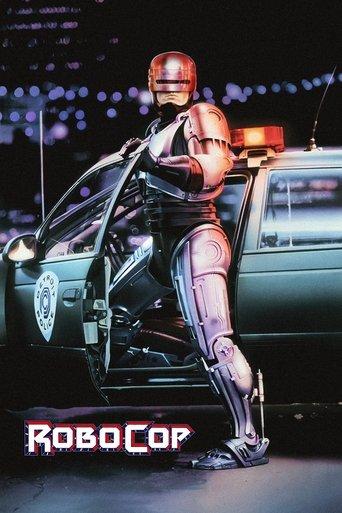
RoboCop stands as a classic action film that balances its thrilling narrative with pointed social commentary. The dialogue is crafted to serve the story, avoiding the pitfalls of message-first writing, which allows the film's themes about corporate control and the loss of humanity to resonate without overshadowing the plot. Characters are well-rounded, with motivations that feel authentic rather than merely symbolic, contributing to a narrative that feels cohesive and engaging. The protagonist, while facing significant challenges, does not fit the protected pattern; his journey is marked by real stakes and consequences, enhancing viewer investment in his fate. Although the film critiques traditional authority structures, it does so through a lens of entertainment, making it a thought-provoking yet enjoyable experience. Overall, RoboCop's blend of action and social critique remains impactful without succumbing to overt ideological framing.