Pick the band you think fits. One vote per browser on this title. You cannot change it after you vote.
Loading community votes…
Woke Breakdown
Message-first dialogue
5
Tokenistic characters
3
Ideology over story
4
Legacy rewriting
2
Modern politics injection
1
Protected protagonist pattern
6
Anti-traditional framing
8
Cultural normalization framing
2
Quick reasons
The dialogue serves the horror narrative without overt moralizing.
Characters are primarily defined by their roles in the story rather than as symbols.
While there are thematic elements, they do not overshadow the plot.
The film does play with traditional superhero tropes but does not rewrite legacy properties in a heavy-handed way.
The protagonist's journey is unsettling and subversive, but it is grounded in the horror genre.
AI cultural analysis
Here's the read.
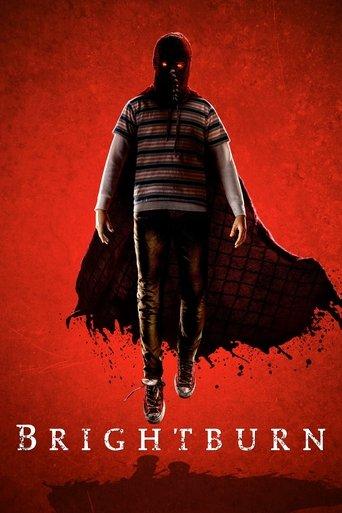
Brightburn offers a fresh take on the superhero genre by flipping the narrative on its head, exploring what happens when a superpowered child turns malevolent. The dialogue is primarily focused on advancing the plot rather than delivering overt messages, allowing for a more organic storytelling experience. Characters are not mere symbols; they serve the horror elements effectively, though the protagonist's arc does lean into the trope of a protected character who faces minimal consequences for his actions. This framing creates a chilling atmosphere that critiques traditional heroism without feeling like a forced ideological statement. The film does not inject contemporary politics into its narrative, maintaining a focus on the horror and drama that unfolds. Overall, Brightburn manages to balance its thematic explorations with engaging storytelling, making it a compelling watch.