Pick the band you think fits. One vote per browser on this title. You cannot change it after you vote.
Loading community votes…
Woke Breakdown
Message-first dialogue
15
Tokenistic characters
14
Ideology over story
16
Legacy rewriting
0
Modern politics injection
12
Protected protagonist pattern
10
Anti-traditional framing
8
Cultural normalization framing
10
Quick reasons
Dialogue is heavily laden with social commentary and ideological messaging, overshadowing the narrative.
Characters feel more like symbols of systemic issues rather than fully developed individuals with arcs.
The storytelling prioritizes delivering a message about race and oppression over character development and plot progression.
While the film addresses important themes, it often does so in a way that feels forced and agenda-driven.
The framing of the protagonists' struggles leans towards glorifying victimhood rather than exploring their agency.
AI cultural analysis
Here's the read.
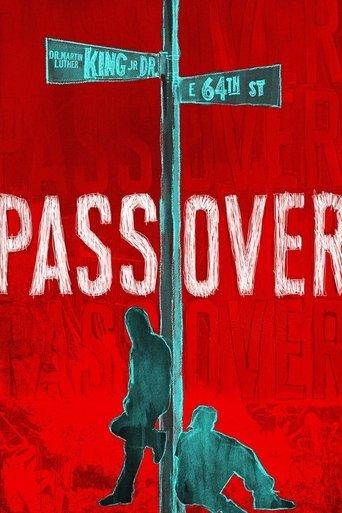
Pass Over presents a narrative that is heavily influenced by contemporary political discourse, often prioritizing ideological messaging over traditional storytelling. The dialogue feels more like a vehicle for social commentary than organic character interaction, leading to a sense of moral lecturing that detracts from the overall experience. Characters are crafted in a way that emphasizes their symbolic value rather than their depth, making them feel tokenistic and less relatable. While the film tackles significant themes surrounding race and societal issues, it does so in a manner that can feel heavy-handed, undermining the potential for a more nuanced exploration of its subjects. The film's focus on delivering a message about systemic oppression often overshadows character development and plot progression, resulting in a narrative that feels more like a thesis than a story. Ultimately, Pass Over serves as a reminder of the risks involved when ideology takes precedence over storytelling.