Pick the band you think fits. One vote per browser on this title. You cannot change it after you vote.
Loading community votes…
Woke Breakdown
Message-first dialogue
12
Tokenistic characters
10
Ideology over story
14
Legacy rewriting
5
Modern politics injection
8
Protected protagonist pattern
6
Anti-traditional framing
7
Cultural normalization framing
4
Quick reasons
Dialogue often feels like it exists to deliver a message about the dangers of online culture rather than to develop characters or advance the plot.
Characters are somewhat archetypal and lack depth, serving more as symbols of teenage angst and vulnerability than as fully realized individuals.
The film prioritizes its ideological framing around the consequences of urban legends and internet culture over genuine suspense or character development.
While there is a horror element, the narrative often feels like it is trying to make a statement about youth and technology rather than simply telling a compelling story.
Some elements of the plot contradict established lore about Slender Man, leading to moments that feel inconsistent or forced.
AI cultural analysis
Here's the read.
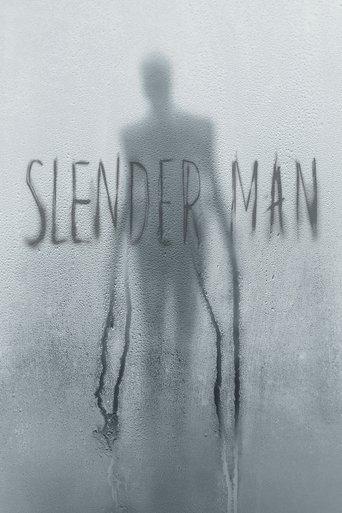
Slender Man struggles under the weight of its own messaging, often prioritizing ideological concerns over effective storytelling. The dialogue is laden with moral undertones about the dangers of urban legends and online culture, which detracts from the horror and suspense that should drive the narrative. Characters lack depth, often feeling like mere representations of teenage issues rather than individuals with their own arcs. This tokenism is evident as they embody specific archetypes without meaningful development. The film's attempts to engage with contemporary themes result in a narrative that feels disjointed, with moments that break internal logic and lore. While it aims to comment on the impact of folklore in the digital age, it ultimately sacrifices immersive storytelling for a message-first approach, leaving viewers with a sense of missed potential.