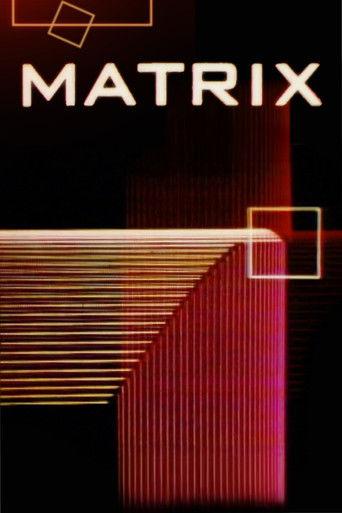
Matrix poster
Movie

Matrix

1971

0Score
Absolute Cinema

Story over sermons. Cinema first.

My list →Saved on this device — no account required.
Share this verdict card

Is Matrix Woke? Quick Answer

Matrix scores 0/100 on the IsItWoke scale and is rated Absolute Cinema.

That is the story-first end of the scale for this film.

The film is an abstract animation with no dialogue, eliminating any possibility of message-driven or ideological dialogue. There are no characters present, so tokenism or protected protagonist patterns do not apply.

See the full breakdown below.

Woke profile

How the score is shaped

Eight stored dimensions, each scored from 0 to 20.

  • Message-first dialogue

    0/20
  • Tokenistic characters

    0/20
  • Ideology over story

    0/20
  • Legacy rewriting

    0/20
  • Modern politics injection

    0/20
  • Protected protagonist pattern

    0/20
  • Anti-traditional framing

    0/20
  • Cultural normalization framing

    0/20

Receipts used in this verdict

High confidence

These source-linked claims were gathered before scoring. Supporting evidence can raise a relevant signal; counterevidence can reduce or contextualize it. Corporate statements, consultant credits and optional identity cosmetics are context for investigation. They do not establish narrative ideology or directly raise the score.

Reveal detailed receipts · may contain spoilers

The verdict above is spoiler-light. The concrete examples below can describe scenes, plot turns, character outcomes, or late-game material.

  • Message-first dialoguecounter

    Matrix (1971) is an abstract, non-narrative computer animation by John Whitney composed of geometric forms and music, not a dialogue-driven or didactic work. [2][1]

  • Tokenistic character writingcounter

    The film consists of moving squares/triangles/cubes and geometric forms rather than characters, so critiques about symbolic or checklist character construction do not apply. [2][3]

  • Ideology over storycounter

    Contemporary catalogues and program notes describe Matrix as an investigation of technology, form and musical-visual relationships rather than a work where political or social messaging displaces plot or characterization. [2][1]

  • Passive-consumption designcounter

    Sources present Matrix as an experimental, computer-generated abstract short (circa 6 minutes) focused on formal audiovisual composition, not as a piece designed for fragmented-attention or heavy hand-holding exposition. [4][2]

  • Identity / sexuality centralitycounter

    There is no evidence the work is marketed or structured around identity or sexuality; it is documented and discussed as an abstract/visual-music film. [1][3]

Research checked 2026-10-08

AI vs Community

AI says Absolute Cinema. What do users say?

AI verdict: Absolute Cinema. Be among the first to challenge it.

Community verdict

Pick the band you think fits. One vote per browser on this title. You cannot change it after you vote.

Loading community votes…

Why it received this score

Based on: Published title analysisConfidence: MediumLast updated: 2026-10-12

Key reasons

  • The film is an abstract animation with no dialogue, eliminating any possibility of message-driven or ideological dialogue.
  • There are no characters present, so tokenism or protected protagonist patterns do not apply.
  • The work does not reinterpret or alter any existing franchise or narrative, so legacy rewriting is irrelevant.
View full breakdown
  • No contemporary political or cultural themes are injected into this purely visual and experimental piece.
  • The film does not frame any social or cultural model as normative or aspirational, focusing solely on abstract visual form.

AI cultural analysis

A short read on tone, themes, and messaging — not a plot synopsis.

AI read

This 1971 abstract animation by John Whitney is a pure exercise in visual form and motion, devoid of narrative, characters, or dialogue. Its focus on geometric shapes moving in a three-dimensional space places it firmly in the realm of experimental cinema rather than storytelling or ideological messaging.

Without characters or plot, there is no room for tokenism, protected protagonists, or legacy rewriting. The absence of dialogue and narrative content means no message-first dialogue or political messaging occurs. The film does not engage with or reflect contemporary cultural or political issues, nor does it promote any social model or identity framing.
Related titles

More like this.

People also checked

What others ran after this one.

Run Matrix through another test

Explore

Trending now

Send feedback

We send your description, report type, optional email and the current page path. No browsing history or session transcript is included.