Pick the band you think fits. One vote per browser on this title. You cannot change it after you vote.
Loading community votes…
Woke Breakdown
Message-first dialogue
12
Tokenistic characters
10
Ideology over story
14
Legacy rewriting
0
Modern politics injection
8
Protected protagonist pattern
6
Anti-traditional framing
10
Cultural normalization framing
5
Quick reasons
Dialogue often feels like a platform for social commentary rather than organic interaction.
Characters are somewhat shaped by their identities, leading to moments of tokenism.
The narrative prioritizes ideological themes over traditional storytelling elements.
While the film does not rewrite a legacy property, it does present a specific cultural viewpoint that may feel agenda-driven.
The portrayal of anti-traditional themes is prevalent, framing rebellion in a sympathetic light.
AI cultural analysis
Here's the read.
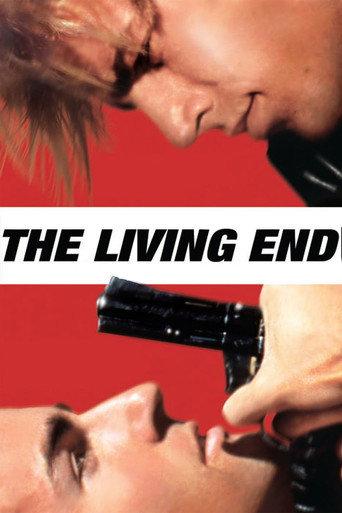
The Living End presents a narrative that intertwines crime, romance, and social commentary, but it often leans heavily into ideological framing. The dialogue frequently serves as a vehicle for moral lessons rather than advancing the plot, creating a sense of message-first storytelling. Characters, while complex, sometimes feel like they exist primarily to fulfill symbolic roles, leading to a degree of tokenism that detracts from their depth. The film's themes of rebellion against societal norms are presented in a way that glamorizes anti-traditional values, which may resonate with some viewers but risks alienating others seeking a more balanced narrative. Overall, while the film has moments of genuine emotion and insight, its ideological underpinnings overshadow the storytelling, making it feel more like a cultural statement than a cohesive cinematic experience.