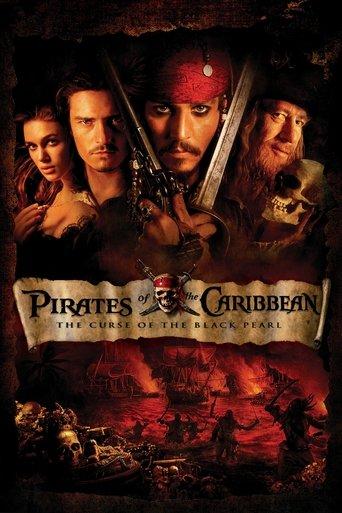
Pirates of the Caribbean: The Curse of the Black Pearl
2003
8Score
Absolute Cinema
Story over sermons. Cinema first.
Share your verdict
Community verdict
Pick the band you think fits. One vote per browser on this title. You cannot change it after you vote.
Loading community votes…
Woke Breakdown
Message-first dialogue
3
Tokenistic characters
2
Ideology over story
2
Legacy rewriting
0
Modern politics injection
1
Protected protagonist pattern
3
Anti-traditional framing
1
Cultural normalization framing
0
Quick reasons
Dialogue serves the story rather than pushing an agenda.
Characters are well-developed and fit organically into the narrative.
The focus remains on adventure and character dynamics, not ideology.
No significant rewriting of legacy elements; the story is original.
There are minimal contemporary political themes present.
AI cultural analysis
Here's the read.
Pirates of the Caribbean: The Curse of the Black Pearl thrives on its adventurous spirit and engaging character interactions. The dialogue feels natural and serves the plot, avoiding overt messaging or moral lecturing. Characters like Jack Sparrow and Will Turner are well-rounded and contribute to the narrative without feeling like mere symbols of representation. The film maintains its focus on swashbuckling escapades, with minimal ideological framing or contemporary political discourse intruding on the story. While Elizabeth Swann is a strong female character, her role does not overshadow the narrative's core adventure. The film's originality shines through, as it does not rely on legacy properties or modern reinterpretations, instead crafting a unique tale that captivates audiences without heavy-handed messaging.