Pick the band you think fits. One vote per browser on this title. You cannot change it after you vote.
Loading community votes…
Woke Breakdown
Message-first dialogue
12
Tokenistic characters
10
Ideology over story
14
Legacy rewriting
8
Modern politics injection
10
Protected protagonist pattern
6
Anti-traditional framing
9
Cultural normalization framing
7
Quick reasons
The dialogue often feels like it serves a larger ideological agenda rather than character development.
Characters are sometimes portrayed more as symbols of a movement than as fully realized individuals.
The narrative prioritizes Malcolm X's ideological evolution over traditional storytelling elements.
There are moments where historical events are reframed to align with contemporary values, impacting authenticity.
The film occasionally emphasizes Malcolm's triumphs in a way that glosses over the complexities of his character.
AI cultural analysis
Here's the read.
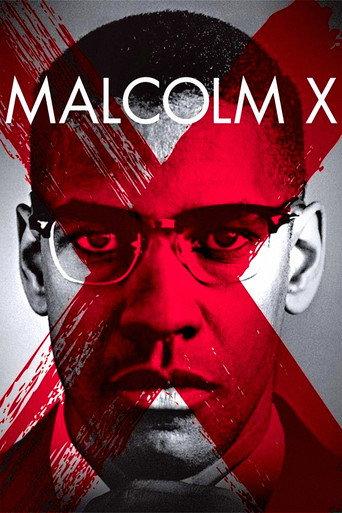
Malcolm X is a film that seeks to elevate the legacy of its titular character while navigating the complexities of his life and beliefs. However, the dialogue often leans towards overt messaging, with characters delivering lines that feel more like ideological statements than organic interactions. This can detract from the emotional weight of the story, as the focus shifts from character-driven narratives to broader social commentary. The film also presents Malcolm X as a symbol of empowerment, which, while inspiring, risks oversimplifying his journey and the challenges he faced. Additionally, the portrayal of other characters sometimes feels tokenistic, serving to reinforce Malcolm's narrative rather than existing as independent figures. While the film does offer a powerful exploration of race and identity, it occasionally prioritizes ideological framing over storytelling, leading to a narrative that can feel more like a tribute than a fully realized biopic.