Pick the band you think fits. One vote per browser on this title. You cannot change it after you vote.
Loading community votes…
Woke Breakdown
Message-first dialogue
15
Tokenistic characters
12
Ideology over story
14
Legacy rewriting
10
Modern politics injection
13
Protected protagonist pattern
11
Anti-traditional framing
16
Cultural normalization framing
14
Quick reasons
Dialogue feels heavily laden with ideological messaging rather than natural character interaction.
Characters appear to be crafted more for their symbolic representation than for deep narrative engagement.
The story prioritizes its ideological agenda over coherent pacing and conflict.
Significant alterations to traditional themes suggest a modern ideological lens reshaping the narrative.
Contemporary political themes are woven throughout, often feeling intrusive to the story's flow.
AI cultural analysis
Here's the read.
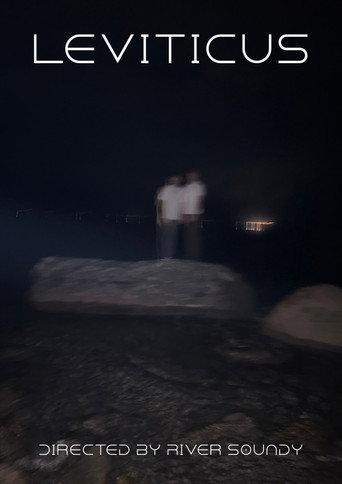
Leviticus leans heavily into message-first storytelling, with dialogue that often serves as a vehicle for ideological points rather than organic character development. The characters feel more like symbols of contemporary issues than fully realized individuals, which detracts from the narrative's depth. The film's structure prioritizes its ideological agenda, resulting in pacing that suffers as it pushes its themes to the forefront. Traditional values are not only questioned but framed in a negative light, suggesting a clear anti-traditional bias that may alienate certain audiences. Furthermore, the film's reliance on modern political discourse feels forced, creating moments that disrupt immersion rather than enhance it. Overall, Leviticus exemplifies a trend where storytelling is sacrificed at the altar of activism, leading to a narrative that feels more like a manifesto than a compelling drama.