Pick the band you think fits. One vote per browser on this title. You cannot change it after you vote.
Loading community votes…
Woke Breakdown
Message-first dialogue
3
Tokenistic characters
2
Ideology over story
4
Legacy rewriting
0
Modern politics injection
1
Protected protagonist pattern
5
Anti-traditional framing
8
Cultural normalization framing
6
Quick reasons
Dialogue serves the narrative rather than moralizing, though some moments feel heavy-handed.
Characters are primarily defined by their roles in the story, not as symbols for representation.
The film's focus on excess and corruption often overshadows traditional values, presenting a morally ambiguous protagonist.
While the protagonist faces consequences, his charm and success can feel unearned at times.
The film does not overtly inject modern political issues but critiques the financial system.
AI cultural analysis
Here's the read.
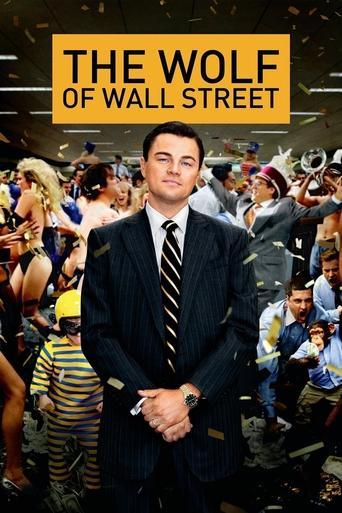
The Wolf of Wall Street is a bold exploration of excess and moral ambiguity in the world of finance. The dialogue is sharp and entertaining, largely avoiding the pitfalls of overt messaging, though there are moments that flirt with moral lecturing. Characters are fleshed out, driven by their ambitions and flaws, rather than being mere symbols for any particular agenda. The protagonist, Jordan Belfort, is both charismatic and deeply flawed, showcasing a competence fantasy that is grounded in his cunning rather than any supernatural invincibility. While the film critiques traditional values by glamorizing the hedonism of Wall Street, it does so through a lens that emphasizes the consequences of such a lifestyle. The narrative remains engaging and immersive, with a focus on storytelling that allows the audience to reflect on the underlying themes without being force-fed ideology.