Pick the band you think fits. One vote per browser on this title. You cannot change it after you vote.
Loading community votes…
Woke Breakdown
Message-first dialogue
10
Tokenistic characters
8
Ideology over story
12
Legacy rewriting
5
Modern politics injection
10
Protected protagonist pattern
6
Anti-traditional framing
7
Cultural normalization framing
9
Quick reasons
Dialogue often feels like it’s pushing a political agenda rather than developing characters.
Some characters serve more as symbols of diversity than as fully realized individuals.
The narrative leans heavily on themes of anti-establishment and hacktivism, overshadowing traditional storytelling.
While it builds on the original game, there are moments that feel forced to align with contemporary issues.
The protagonist's skills and success sometimes appear unearned, fitting a protected narrative pattern.
AI cultural analysis
Here's the read.
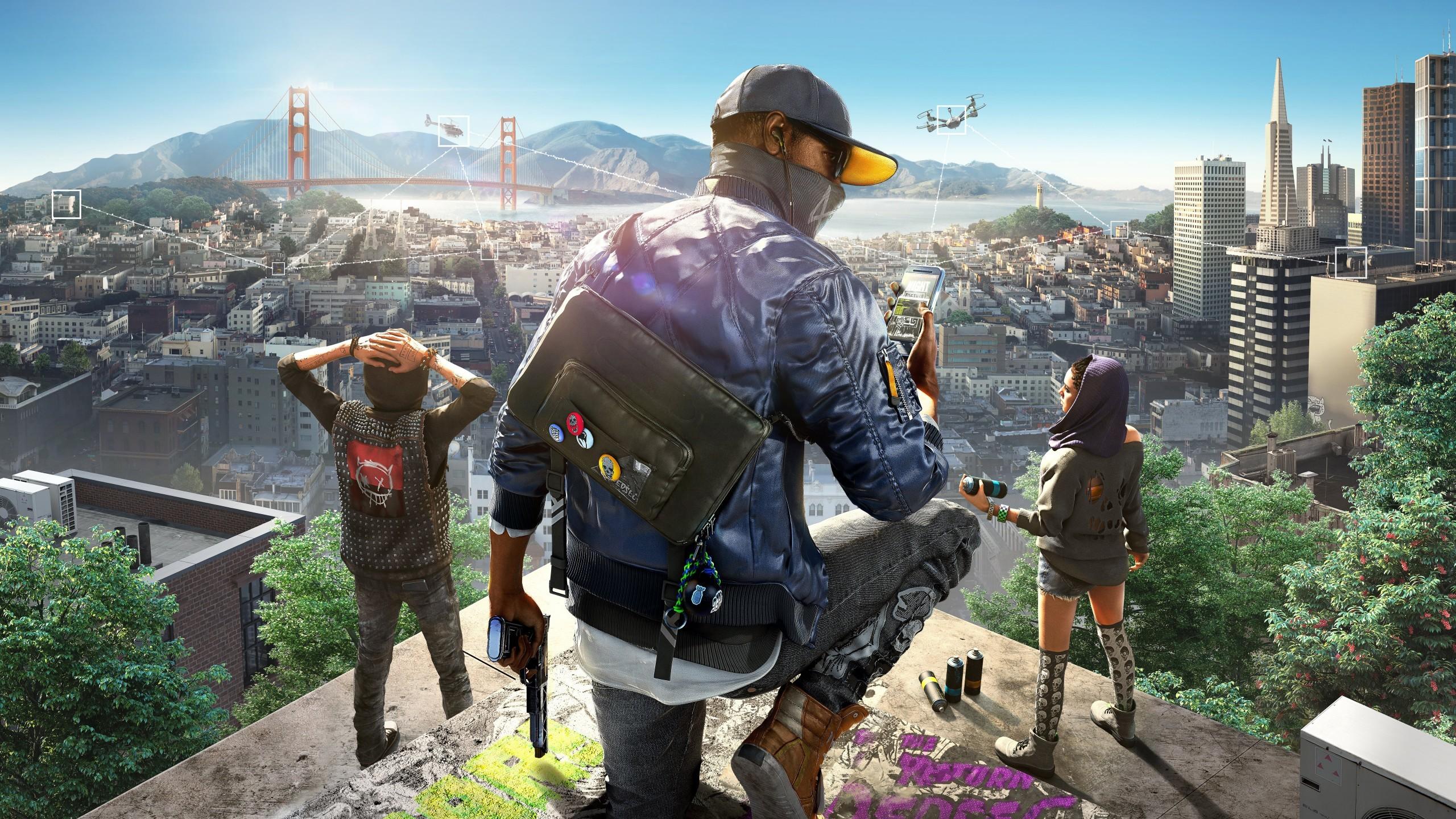
Watch Dogs 2 presents an open-world experience that invites players into a vibrant San Francisco, but it is not without its ideological undercurrents. The dialogue often veers into political territory, pushing a message about surveillance and corporate control that can feel heavy-handed. Characters, while diverse, sometimes lack depth, serving more as representations of social issues than as complex individuals with their own arcs. The story prioritizes its commentary on hacktivism and anti-establishment sentiments over traditional narrative development, which can detract from immersion and engagement. Although the gameplay mechanics are robust and allow for creative approaches to missions, the overarching themes can overshadow the enjoyment of the action-adventure elements. The protagonist, Marcus, while competent, occasionally benefits from narrative conveniences that make his journey feel less earned. Overall, while the game offers an engaging world, its ideological framing and message-first approach may leave some players wanting a more balanced storytelling experience.