Pick the band you think fits. One vote per browser on this title. You cannot change it after you vote.
Loading community votes…
Woke Breakdown
Message-first dialogue
5
Tokenistic characters
3
Ideology over story
4
Legacy rewriting
2
Modern politics injection
1
Protected protagonist pattern
3
Anti-traditional framing
2
Cultural normalization framing
1
Quick reasons
The dialogue occasionally leans into thematic territory but remains largely character-driven.
Characters are well-developed and serve the narrative rather than merely filling representation quotas.
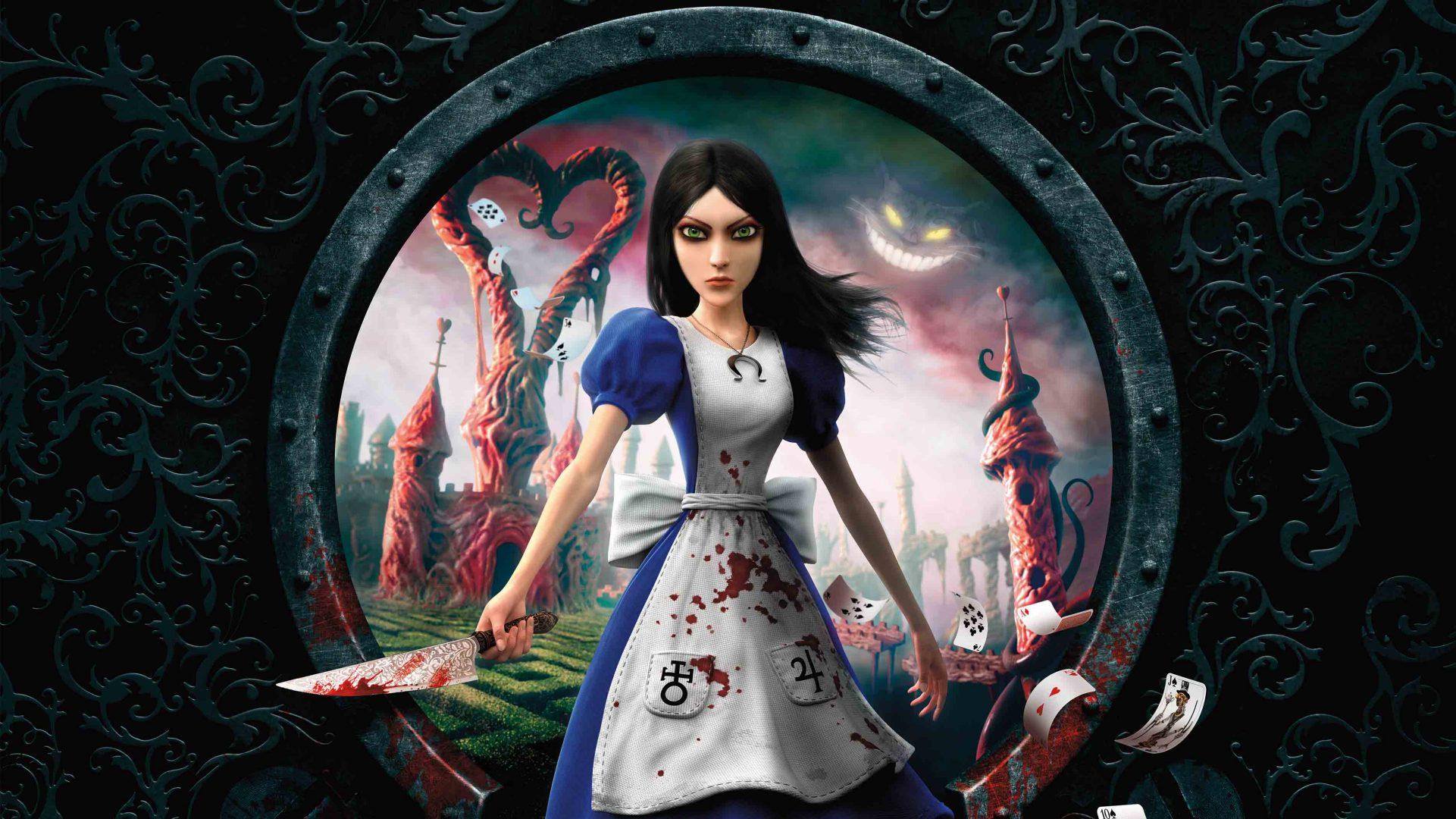
The story prioritizes Alice's psychological journey over ideological messaging.
While it draws from existing lore, it does so in a way that enhances rather than distorts the original material.
The game avoids overt political messaging, focusing instead on personal struggle and surrealism.
AI cultural analysis
Here's the read.
Alice: Madness Returns successfully blends action and adventure with a rich narrative that explores the protagonist's psychological turmoil. The dialogue, while occasionally thematic, serves the character development and the overall story rather than pushing a specific agenda. The characters are crafted with depth, avoiding the pitfalls of tokenism, and they fit organically into the dark, twisted version of Wonderland. The game respects its source material, enhancing the original story of Alice in a way that feels authentic rather than forced or ideologically driven. There is no significant injection of modern political discourse, allowing players to immerse themselves in the surreal and grotesque world without distraction. Overall, the game balances its narrative ambitions with engaging gameplay, making it a compelling experience without falling into the traps of message-first storytelling.