Book

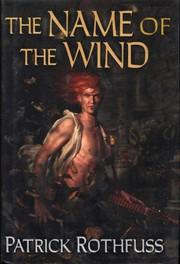
The Name of the Wind

6Score
Essential Reading
Share your verdict

Community verdict

Pick the band you think fits. One vote per browser on this title. You cannot change it after you vote.

Loading community votes…

Woke Breakdown

Message-first dialogue
2
Tokenistic characters
1
Ideology over story
2
Legacy rewriting
0
Modern politics injection
1
Protected protagonist pattern
3
Anti-traditional framing
0
Cultural normalization framing
0

Quick reasons

  • The dialogue feels natural and serves the story rather than pushing a message.
  • Characters are well-developed and integral to the narrative, avoiding tokenism.
  • The story prioritizes character development and world-building over ideological messaging.
  • There are no significant alterations to existing franchises or properties.
  • The protagonist's journey is grounded in personal growth and challenges.

AI cultural analysis

Here's the read.

The Name of the Wind*** excels as a narrative-driven fantasy that immerses readers in its richly crafted world. The dialogue flows organically, enhancing the storytelling without veering into overt messaging or moral lecturing. Rothfuss creates a compelling protagonist in Kvothe, whose strengths and weaknesses are explored through his experiences, making his journey relatable and engaging. The characters are fleshed out and integral to the plot, steering clear of tokenistic representation or agenda-driven construction. The novel does not engage in legacy rewriting or modern political discourse, allowing the story to stand on its own merits. While Kvothe faces challenges, he is not portrayed as invincible; rather, his growth is earned through trials and tribulations that resonate with readers. Overall, the book remains a masterclass in fantasy storytelling, prioritizing narrative depth and character development over ideological framing.
Related titles

More like this.

People also checked

What others ran after this one.

Explore

Trending now