Book

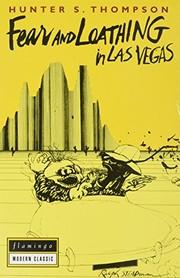
Fear and Loathing in Las Vegas

13Score
Essential Reading
Share your verdict

Community verdict

Pick the band you think fits. One vote per browser on this title. You cannot change it after you vote.

Loading community votes…

Woke Breakdown

Message-first dialogue
3
Tokenistic characters
2
Ideology over story
4
Legacy rewriting
0
Modern politics injection
1
Protected protagonist pattern
3
Anti-traditional framing
5
Cultural normalization framing
2

Quick reasons

  • The dialogue is often surreal but serves the narrative rather than pushing a specific agenda.
  • Characters are eccentric and vivid, contributing to the story's chaotic atmosphere without feeling like symbols.
  • While there are critiques of society, they emerge organically from the plot rather than being imposed.
  • The book's anti-establishment themes are present but don't overshadow the wild journey of the protagonists.
  • The narrative maintains a sense of unpredictability and freedom, aligning with its countercultural roots.

AI cultural analysis

Here's the read.

Fear and Loathing in Las Vegas is a wild ride through the chaotic landscape of 1970s America, driven by the frenetic energy of its protagonists. The dialogue, while often bizarre, feels authentic to the characters and their experiences, avoiding overt moralizing or ideological lecturing. Characters like Raoul Duke and Dr. Gonzo are vividly drawn, contributing to the story's depth without serving merely as symbols for a cultural thesis. Although the narrative critiques traditional values and societal norms, it does so in a way that enhances the story rather than detracting from it. The book's exploration of excess and disillusionment resonates powerfully without succumbing to heavy-handed messaging. Overall, the craft and storytelling take precedence, allowing readers to engage with the narrative on a visceral level.

Related titles

More like this.

People also checked

What others ran after this one.

Explore

Trending now