Pick the band you think fits. One vote per browser on this title. You cannot change it after you vote.
Loading community votes…
Woke Breakdown
Message-first dialogue
2
Tokenistic characters
3
Ideology over story
2
Legacy rewriting
0
Modern politics injection
1
Protected protagonist pattern
2
Anti-traditional framing
1
Cultural normalization framing
2
Quick reasons
Dialogue feels natural and character-driven, avoiding overt messaging.
Characters are well-developed and not merely symbols for representation.
The story prioritizes personal relationships and emotional depth over ideological themes.
There are no significant alterations to traditional narratives or values.
Contemporary political themes are largely absent, allowing for immersion in the story.
AI cultural analysis
Here's the read.
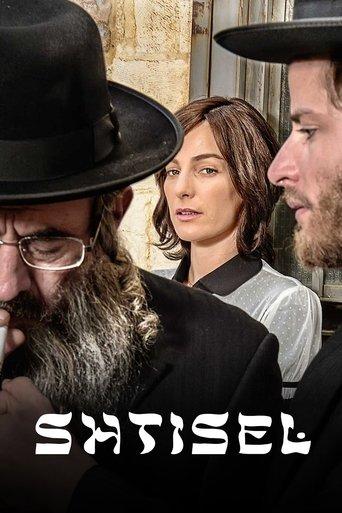
Shtisel excels in its character-driven storytelling, focusing on the nuanced relationship between a father and son in a traditional Jewish community. The dialogue flows organically, emphasizing personal experiences rather than moral lecturing or ideological messaging. Characters are richly developed, avoiding the pitfalls of tokenism, and the narrative remains grounded in authentic familial dynamics. This allows the audience to engage with the characters on a deeper level without the distraction of overt political themes or social commentary. The show presents its cultural context without heavy-handedness, allowing viewers to appreciate the traditions and complexities of the characters' lives. Overall, Shtisel offers a refreshing narrative that prioritizes story and character over contemporary ideological framing, making it a standout in the drama genre.