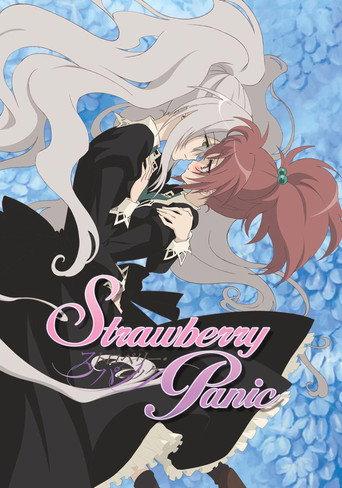
Strawberry Panic poster
TV Show

Strawberry Panic

2006

23Score
Very Little Woke

Mostly focused on storytelling.

Share your verdict

Is Strawberry Panic Woke? Quick Answer

Strawberry Panic scores 23/100 on the IsItWoke scale and lands in Very Little Woke.

Messaging can show up, but it is not the main event in this show. The strongest reasons behind the rating are Dialogue occasionally leans into moral or emotional messaging, but it generally serves the story. and characters are primarily defined by their relationships and experiences, rather than being mere symbols..

See the full breakdown below.

AI vs Community

AI says Very Little Woke. What do users say?

AI verdict: Very Little Woke. Be among the first to challenge it.

Season Wokeness Breakdown

Season-by-season woke breakdown coming soon.

Community verdict

Pick the band you think fits. One vote per browser on this title. You cannot change it after you vote.

Loading community votes…

Why it received this score

Based on: Published title analysisConfidence: MediumLast updated: 2026-07-17

Key reasons

  • Dialogue occasionally leans into moral or emotional messaging, but it generally serves the story.
  • Characters are primarily defined by their relationships and experiences, rather than being mere symbols.
  • The narrative focuses on personal growth and romance, with ideological elements present but not overwhelming.
View full breakdown
  • The show does not significantly alter established norms or traditions, maintaining its setting's integrity.
  • While there are some modern themes, they do not dominate the storytelling.

Score signals

SignalWhat was measuredStrengthImpact
Message-first dialogueHow much the dialogue, monologues, or character interactions feel driven by overt messaging, moral lecturing, ideological framing, or making a point instead of serving the story naturally.8/20+5
Ideology over storyHow much the overall storytelling prioritizes ideological framing, message delivery, social commentary, or activism-coded narrative choices over pacing, conflict, immersion, and entertainment.7/20+5
Tokenistic charactersHow much characters feel inserted or shaped primarily for symbolic representation, political signaling, or demographic checkbox value rather than narrative depth, organic fit, or strong characterization.6/20+3
Protected protagonist patternHow much the protagonist fits the protected-protagonist pattern (agenda-driven character construction) rather than competence fantasy. Score HIGH only when: competence appears unearned or unexplained; protagonist rarely faces consequences; antagonists exist mainly to demonstrate protagonist superiority; narrative treats protagonist as symbolically superior; plot shields protagonist from vulnerability. Score LOW when: competence is grounded in training, profession, or past experience; protagonist suffers damage or setbacks; real physical danger and survival tension exist (normal action storytelling). Do not penalize competence fantasy.5/20+3
Anti-traditional framingHow strongly a title normalizes, glamorizes, or positively frames anti-traditional, anti-religious, anti-family, or civilizationally subversive themes in a way that should count as woke or corrosive for this product's audience.4/20+3

AI cultural analysis

A short read on tone, themes, and messaging — not a plot synopsis.

AI read

Strawberry Panic offers a blend of romance and drama within a traditional all-girls school setting. The dialogue occasionally dips into emotional or moral messaging, but it largely serves to advance character relationships and plot rather than overshadow them.

Characters like Nagisa and Shizuma are developed through their interactions and struggles, avoiding the pitfalls of tokenism. The story remains focused on personal growth and romantic entanglements, with ideological themes present but not dominating the narrative.
Related titles

More like this.

People also checked

What others ran after this one.

Run Strawberry Panic through another test

Explore

Trending now