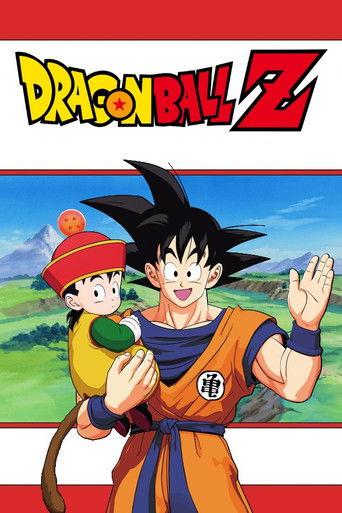
Dragon Ball Z poster
TV Show

Dragon Ball Z

1989

10Score
Peak Television
Share your verdict

Is Dragon Ball Z Woke? Quick Answer

Dragon Ball Z scores 10/100 on the IsItWoke scale and lands in Peak Television.

That is the story-first end of the scale for this show. The strongest reasons behind the rating are The dialogue primarily serves the action and character development rather than overt messaging. and characters are well-defined and contribute meaningfully to the narrative without feeling like mere symbols..

See the full breakdown below.

AI vs Community

AI says Peak Television. What do users say?

AI verdict: Peak Television. Be among the first to challenge it.

Season Wokeness Breakdown

Season-by-season woke breakdown coming soon.

Community verdict

Pick the band you think fits. One vote per browser on this title. You cannot change it after you vote.

Loading community votes…

Why it received this score

Based on: Published title analysisConfidence: MediumLast updated: 2026-05-29

Key reasons

  • The dialogue primarily serves the action and character development rather than overt messaging.
  • Characters are well-defined and contribute meaningfully to the narrative without feeling like mere symbols.
  • The story prioritizes entertainment and conflict over ideological themes or social commentary.
View full breakdown
  • There is no significant alteration of legacy elements; the series remains true to its original vision.
  • Contemporary political themes are largely absent, allowing for a more immersive experience.

Score signals

SignalWhat was measuredStrengthImpact
Message-first dialogueHow much the dialogue, monologues, or character interactions feel driven by overt messaging, moral lecturing, ideological framing, or making a point instead of serving the story naturally.5/20+3
Ideology over storyHow much the overall storytelling prioritizes ideological framing, message delivery, social commentary, or activism-coded narrative choices over pacing, conflict, immersion, and entertainment.4/20+3
Tokenistic charactersHow much characters feel inserted or shaped primarily for symbolic representation, political signaling, or demographic checkbox value rather than narrative depth, organic fit, or strong characterization.3/20+2
Protected protagonist patternHow much the protagonist fits the protected-protagonist pattern (agenda-driven character construction) rather than competence fantasy. Score HIGH only when: competence appears unearned or unexplained; protagonist rarely faces consequences; antagonists exist mainly to demonstrate protagonist superiority; narrative treats protagonist as symbolically superior; plot shields protagonist from vulnerability. Score LOW when: competence is grounded in training, profession, or past experience; protagonist suffers damage or setbacks; real physical danger and survival tension exist (normal action storytelling). Do not penalize competence fantasy.3/20+2
Modern politics injectionHow much contemporary political discourse, activist framing, or modern culture-war signaling appears injected into fantasy, sci-fi, historical, or otherwise escapist settings in a way that feels noticeable or immersion-breaking.1/20+1

AI cultural analysis

A short read on tone, themes, and messaging — not a plot synopsis.

AI read

Dragon Ball Z is a classic example of action-driven storytelling that prioritizes character growth and thrilling battles over ideological messaging. The dialogue is functional, focusing on the characters' motivations and the stakes of their conflicts rather than delivering moral lectures or political points.

Characters like Goku and Vegeta are crafted with depth, showcasing their strengths and weaknesses organically without feeling like they are merely vehicles for a social agenda. The series maintains its legacy without significant rewriting, allowing fans to enjoy the original narrative as intended.
Related titles

More like this.

People also checked

What others ran after this one.

Run Dragon Ball Z through another test

Explore

Trending now